
Mezcal in Oaxaca: Complete Guide to Agave Spirit
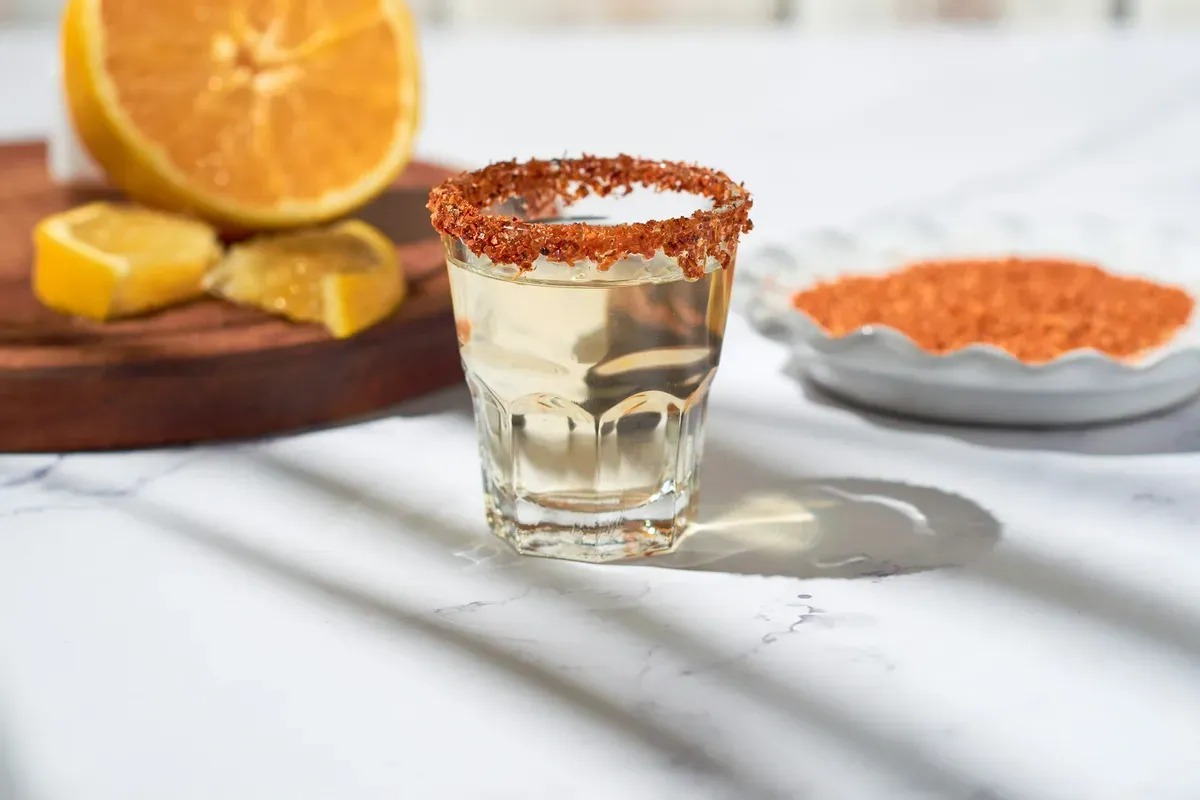
In the vast cultural and geographical landscape of Mexico, one state stands out as the birthplace of a spirit that carries with it stories, traditions, and a flavor unlike any other in the world. We are talking about Oaxaca and mezcal, an ancestral beverage that has become an emblem of Oaxacan culture. If you are planning a trip to experience mezcal firsthand, our Oaxaca travel guide covers everything you need to know.
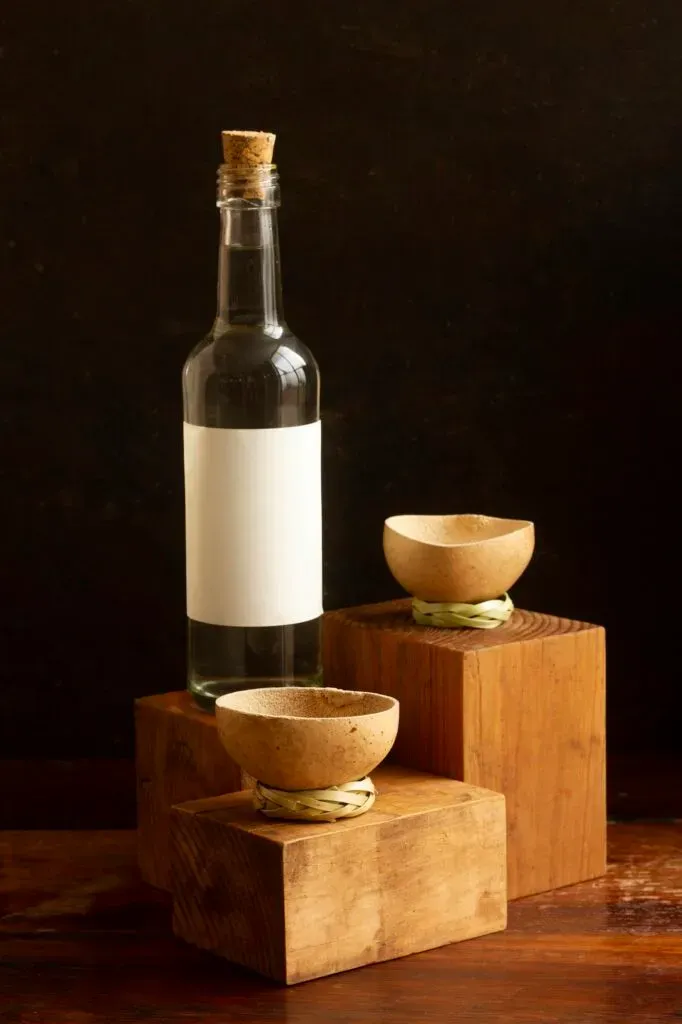
“For everything bad, mezcal, and for everything good, as well.”
This well-known saying perfectly captures the multifaceted relationship Oaxacans have with mezcal. It is a drink of celebration and consolation, an integral part of local identity. Over the centuries, mezcal has witnessed rituals, festivals, and the daily life of the communities that produce it.
- Cultural Heritage: Mezcal is more than a drink; it is a symbol of the resilience and cultural adaptation of indigenous communities.
- Unique Methodology: Every step in its artisanal production process is a testament to knowledge passed down from generation to generation.
- Variety of Flavors: From sweet and fruity to smoky and earthy, the nuances of mezcal are as diverse as the agaves from which it is made.
What Is Mezcal (and How Is It Different from Tequila?)
Mezcal is a Mexican distilled spirit obtained from the maguey, or agave plant. While both mezcal and tequila come from agave, they are distinct beverages. Tequila is made exclusively from blue agave (Agave tequilana) and must be produced in specific regions, whereas mezcal can be made from over 30 different agave varieties, with Agave Espadin being the most common.
The key difference lies in the production process. Mezcal’s agave hearts are roasted in underground earthen pits, which gives it its characteristic smoky flavor. Tequila’s agave is typically steamed in above-ground ovens, producing a cleaner, less smoky taste. Mezcal also tends to be stronger, ranging between 35 and 55 degrees of alcohol, while tequila typically reaches around 40 degrees.
Originally, mezcal was known as “aguardiente” or “mezcal wine” before the name was shortened to simply mezcal.
The History of Mezcal: From Pre-Hispanic Origins to Today
Mezcal’s story is deeply intertwined with the history of Oaxaca and all of Mexico. Its origins date back to the pre-Hispanic era, when indigenous peoples discovered the technique of agave fermentation. Agave was one of the most important plants for Mesoamerican peoples — from it they obtained fibers for ropes, a source of food, and fermented beverages like pulque, which was reserved for priests and nobles during special ceremonies.
Pre-Hispanic Roots and Colonial Distillation
The most widely accepted theory holds that the distillation technique arrived with the Spanish colonizers. The Arabs had developed the alembic (alquitara), which the Spaniards brought to the Americas and used to distill agave into a spirit resembling European liquors. However, more recent archaeological discoveries suggest that pre-Hispanic peoples may have used other instruments to achieve distillation, even if less efficiently than the alembic.
By the 17th century, the first regulations for mezcal production emerged as the beverage grew in popularity among both the upper classes and the general populace. These colonial-era regulations sought to control aspects such as alcohol content, distillation processes, and the type of agave used.
Legends of Mezcal
The mythology surrounding mezcal is as rich as its flavor. One Aztec legend tells of Mayahuel, a beautiful woman and niece of the deity of the night sky. She descended to earth to meet Quetzalcoatl and fell in love. When her aunt discovered them tangled together, she destroyed Mayahuel in rage. Quetzalcoatl, saddened, buried Mayahuel’s bones, and from them the first maguey plants grew, bringing prosperity to humanity.
There were also myths around the feeling of drunkenness itself, known as Centzon-Totochtin — the “400 Rabbits.” It was believed that alcoholic beverages contained the spirits of these countless rabbits, and when someone drank, they were possessed by one. That is why people react so differently when drunk — some laugh, some cry, some talk endlessly, and some fall asleep.
As for mezcal’s smoky flavor, some legends say it was lightning that first burned the hearts of the maguey, revealing the delicious roasted sugars within.
How Mezcal Is Made: The Artisanal Production Process
The making of mezcal is a work of art that begins with selecting the agave. In Oaxaca, the most commonly used variety is Agave Espadin, though many other species each contribute their own nuance of flavor and aroma.
1. Harvesting (La Jima)
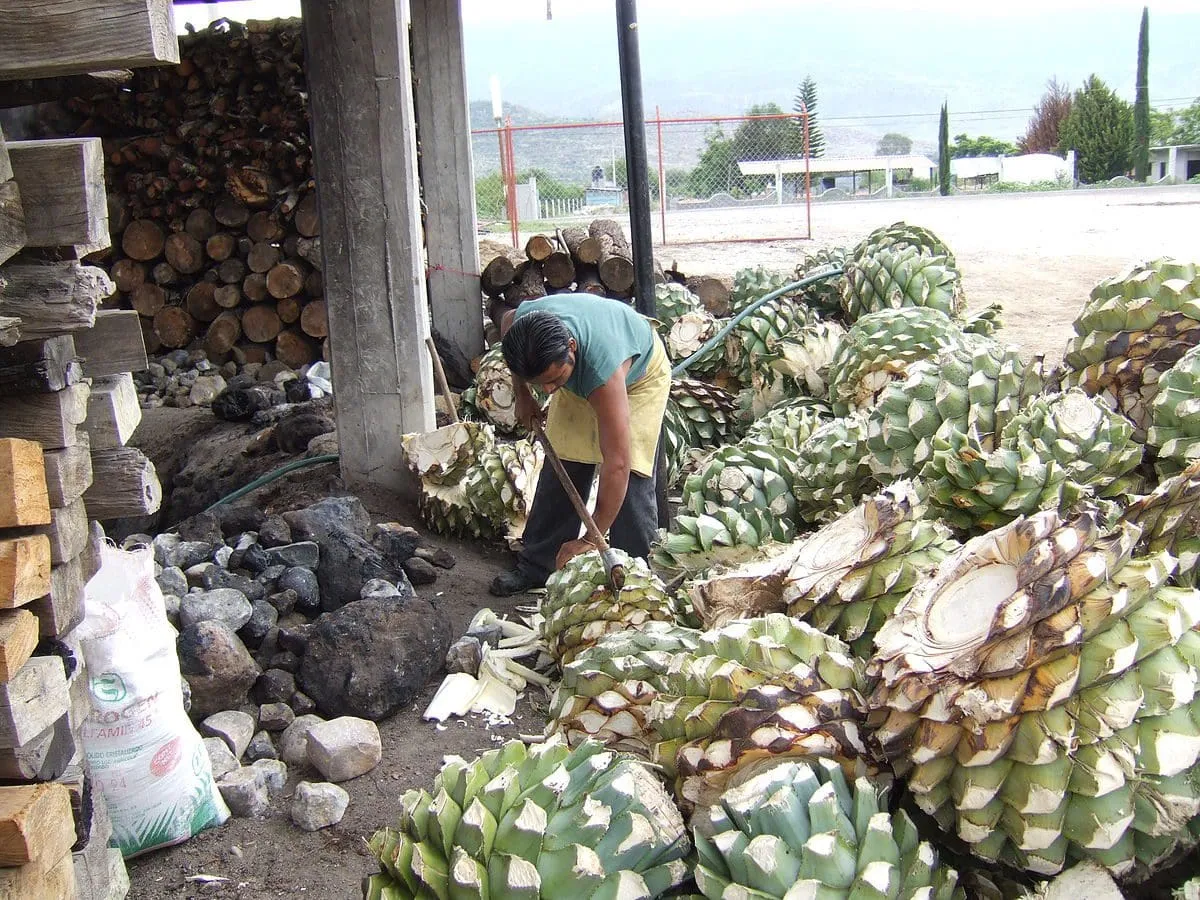
The process starts with the jima, where expert cutters called jimadores select and remove the agave leaves, revealing the pina (heart), which contains the highest concentration of sugars. Agave Espadin takes between 6 and 8 years to reach maturity. To concentrate the sugars in the pina, the flower stalk (quiote) is cut before it grows, and 6 to 12 months later the plant can be harvested.
2. Roasting in an Earth Pit
The agave pinas are cooked in traditional conical earthen ovens dug into the ground. Hot rocks are placed at the bottom, the pinas are piled on top, and everything is covered with earth and agave fibers. This slow underground roasting — which can take several days — is what gives mezcal its signature smoky flavor. Each oven is carefully managed to maintain a uniform temperature.
3. Crushing
After cooking, the roasted pinas are crushed to release their sugar-rich juices. Traditionally, this is done using a stone mill called a tahona, pulled in circles by a horse or donkey. This step extracts the fibers, juices, and sugars that will be fermented.
4. Fermentation
The crushed agave and its juices are placed in large wooden vats, where natural yeast and microorganisms work over several days (up to 30 days) to transform the sugars into alcohol. The climate, altitude, and even the local bacteria contribute to the unique character of each batch.
5. Distillation
Traditional distillation is carried out in copper or clay stills — a technique guarded for generations. The fermented liquid is heated, and the alcohol is separated from the water by exploiting their different boiling points. Usually 2 or 3 distillations are performed. Each stage, done by hand, ensures that every bottle delivers an authentic, ancestral experience.
Three Categories of Production
The Mexican government recognizes three categories of mezcal based on production methods:
- Mezcal (Industrial): Uses industrial machinery such as autoclaves and steel stills.
- Artisanal Mezcal: Uses traditional masonry ovens or underground earth pits, with copper stills for distillation.
- Ancestral Mezcal: Does not permit any industrial machinery. All processes are carried out using centuries-old methods, including clay pot distillation and stone-wheel crushing pulled by animal power.
Types of Mezcal: Agave Varieties and Aging
By Agave Variety
There are more than 30 types of agave that can be used to make mezcal. Each species contributes a different aromatic profile, influenced by the terrain where it grows (known as terroir). Some of the most notable varieties include:
- Espadin: The most widely used agave, known for its accessibility and balanced, versatile flavor. It accounts for roughly 80% of all mezcal production.
- Tobala: A wild agave prized for its complex, delicate, and floral flavor. Small yields make it rare and expensive.
- Tepeztate: Offers wild, herbal notes and is exceptionally rare because it takes 25 to 35 years to mature before harvesting.
- Arroqueno: Produces mezcal with deep, complex flavors — often chocolatey and earthy.
- Madrecuishe: Known for its vegetal, mineral character with herbal notes.
- Cuixe: Related to Madrecuishe, offering distinctive green and spicy profiles.
The terrain where the agave grows also influences flavor, giving mezcal notes ranging from herbal to mineral and fruity. Additionally, the cooking method (wood type, cooking duration), fermentation conditions, and still material (copper vs. clay) all contribute to each mezcal’s unique characteristics.
By Aging
- Joven (young): Bottled directly after distillation with no barrel aging. Many mezcal enthusiasts consider this the purest expression, as it showcases the agave’s true character.
- Reposado (rested): Aged in wooden barrels for 2 to 12 months, acquiring subtle wood notes and a smoother finish.
- Anejo (aged): Spends at least 12 months in barrels, developing a golden color and richer, more complex flavors influenced by the wood.
By Composition
- 100% Agave (Type I): Made exclusively with sugars from agave — the purest form.
- Mixed (Type II): Made with at least 80% agave sugars, with up to 20% from other sources.
Some mezcaleros also create special editions with added fruit flavors, seeds, or even the famous maguey worm (gusano) inside the bottle.
Rituals and Traditions: The Cultural Meaning of Mezcal
In Oaxaca, mezcal transcends its role as a beverage, becoming a cultural expression deeply rooted in community traditions. Every sip is a bridge between past and present, honored in ceremonies such as weddings, baptisms, funerals, and local festivals.
The Beso de Tierra (Kiss of the Earth)
One significant ritual is the “beso de tierra,” an act that involves pouring a few drops of mezcal onto the ground before drinking. This offers a tribute to Mother Earth and asks permission to enjoy her fruits. The tradition reflects the respect and harmony that Oaxacans maintain with nature.
Mezcal in Ceremonies and Healing
In various indigenous communities, mezcal is used in healing ceremonies for its purifying and protective nature. Traditional healers (curanderos) use mezcal as an essential component in their spiritual cleansing rituals. It is also used to bless the land and as an offering to ancestors.
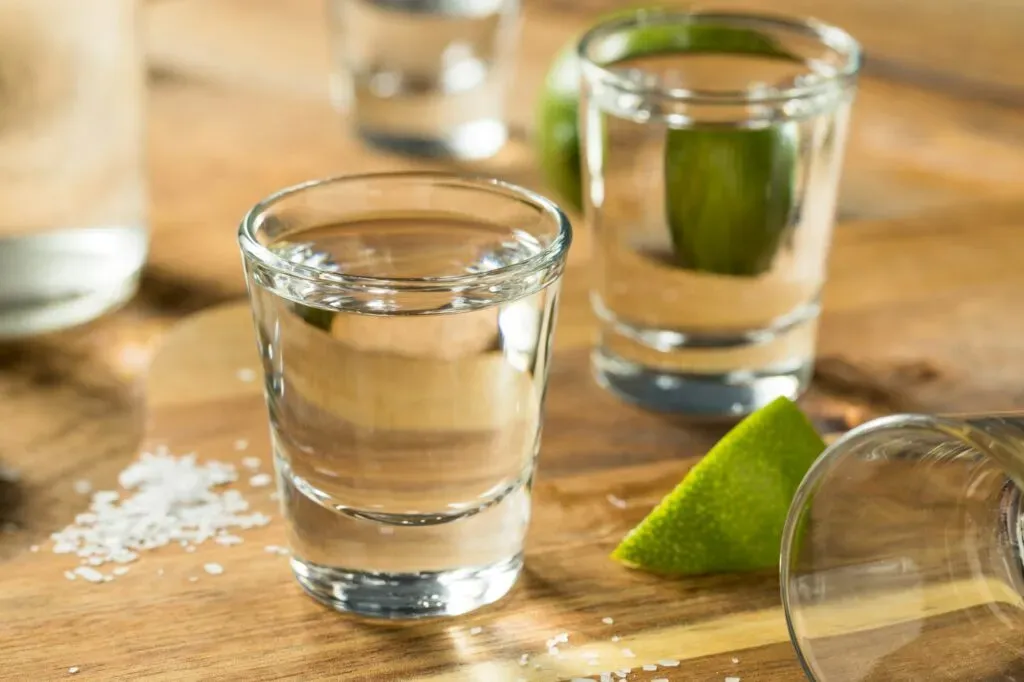
Mezcal plays a crucial role during the Guelaguetza, Oaxaca’s most emblematic celebration, where it is generously shared among friends and visitors, fostering a sense of community and generosity.
The Art of the Maestro Mezcalero
Behind every bottle of mezcal is a tireless creator: the maestro mezcalero. These artisans are the true custodians of Oaxaca’s cultural heritage, dedicating themselves to preserving techniques that have been passed down from generation to generation.
The mezcalero’s mastery is based not only on technical knowledge of distillation but also on a deep connection with the land and the agave. The maestro observes the fields under the Oaxacan sun, evaluating the maturity of the agave with an experienced eye and an intuition sharpened by years of work. Each plant tells its own story, and the maestro mezcalero listens to determine the exact moment to harvest.
These artisanal distilleries are often family businesses, meaning the skill of mezcal production strengthens the social fabric of Oaxacan communities. In fact, it is estimated that around 3,000 families in Oaxaca make their living from mezcal production.
How to Taste Mezcal Properly
Tasting mezcal is an art that engages all your senses. Here is how to do it right:
1. Choose the Right Glass
Use a wide-mouthed glass (such as a copita or a traditional jicara) that allows aromas to release. Small clay cups called “jicaritas” are also traditional.
2. Observe
Look at the color and viscosity. Swirl the mezcal gently and watch the “legs” that form on the glass — they tell you about the alcohol content and body.
3. Smell
Bring the glass to your nose, but not too close. Breathe in gently and notice the first impressions. Can you detect hints of fruits, herbs, smoke, earth, or minerals? Take your time — this moment is crucial for anticipating what you will taste.
4. Sip
Take a small sip and let the mezcal travel across your entire mouth, covering all your taste buds. Focus on the texture and body. Is it silky, spicy, rough? Let the spirit reveal its story.
5. Exhale and Finish
Exhale gently through your nose while keeping the liquid in your mouth. This helps you discern the most subtle nuances. After swallowing, observe the aftertaste — the essence that lingers. Does it feel smoky, sweet, earthy? This is the legacy of the agave in every sip, a persistent melody that invites you to explore it again.
Mezcal is traditionally enjoyed slowly, without mixers, to better appreciate its nuances. If the alcohol is too strong at first, rub a small amount between your palms and smell the aroma — it is an excellent way to begin training your palate.
Best Mezcal Brands from Oaxaca
Oaxaca produces some of the finest mezcals in the world. Here are some respected names worth seeking out:
- Real Minero — A family-run producer from Santa Catarina Minas known for ancestral clay-pot distillation and exceptional wild agave mezcals.
- Gracias a Dios — Led by fourth-generation maestro mezcalero Oscar Hernandez, producing high-quality artisanal mezcals.
- Los Danzantes — Committed to honoring pre-Hispanic roots, producing a wide variety of mezcals under maestro mezcalera Karina Abad.
- Mal de Amor — A Zapotec-origin, third-generation operation in Santiago Matalan known for rigorous quality and beautiful palenque murals.
- Rey Zapoteco — Producing mezcal since 1960 using their own plantations in Santiago Matalan, the world capital of mezcal.
- Del Maguey — Known for its “Single Village” mezcals, each sourced from a different Oaxacan community.
- Mezcal Vago — Collaborates with individual maestro mezcaleros across Oaxaca, showcasing the diversity of regional production.
- Casa Espadin — Located in San Pablo de Villa Mitla, offering artisanal mezcals from diverse wild agave blends.
Where to Try Mezcal in Oaxaca
Mezcalerias and Bars
If you prefer a cosmopolitan setting, Oaxaca de Juarez offers an exciting scene of mezcalerias where you can participate in guided tastings led by experts. You can also combine mezcal tastings with cooking classes and food tours for the ultimate gastronomic experience:
- In Situ Mezcaleria — One of the most respected mezcal bars in Oaxaca, offering an extensive selection of artisanal mezcals.
- Mezcaloteca — A guided tasting experience where staff walk you through different mezcals, explaining the agave, region, and production method behind each one.
- Los Amantes — A stylish mezcaleria in the historic center with a wide range of mezcals and cocktails.
- Archivo Maguey — Focuses on rare and wild agave mezcals, offering an educational tasting experience.
Mezcal Routes
For a deeper experience, explore the mezcal routes of Oaxaca:
Santiago Matalan is known as the world capital of mezcal and is one of the best day trips from Oaxaca City. Here you will learn about different agave varieties and traditional distillation methods at family-owned palenques.
Santa Catarina Minas is a small town where ancestral techniques are still used, including distillation in clay pots, a process that gives the mezcal a unique flavor. You can enjoy exclusive tastings and purchase bottles unavailable elsewhere.
The Caminos del Mezcal route offers the adventure of traveling through the Central Valleys, witnessing spectacular sunsets, and admiring Oaxaca’s mountains. Along this route, you will also find the temple and former convent of San Jeronimo Tlacochahuaya, the Sunday market of Tlacolula de Matamoros, the colorful textiles of Mitla, and archaeological sites like Dainzu, Lambityeco, Yagul, and the mythical city of Mitla.
For an immersive distillery experience, check out our guide to 7 Best Mezcal Palenques to Visit in Oaxaca.
The International Mezcal Festival
Plan your visit during the International Mezcal Festival, an annual celebration that brings together producers, enthusiasts, and maestro mezcaleros from around the world. This event is a perfect opportunity to expand your knowledge and taste the latest innovations in the world of mezcal.
Buying Mezcal to Take Home
When purchasing mezcal to bring back from your trip, keep these tips in mind:
- Buy from palenques or reputable shops. Avoid tourist traps that sell overpriced, low-quality bottles. Markets like the Mercado de Abastos and specialized shops in the historic center offer excellent selections.
- Check the label. Look for “100% agave” and the NOM (Official Mexican Standard) certification. The label should identify the type of agave, the maestro mezcalero, and the community of origin.
- Consider the agave variety. Espadin is a safe, crowd-pleasing choice. For a special gift, look for wild agave mezcals like Tobala or Tepeztate.
- Airline regulations. You can carry sealed bottles in checked luggage. Consider buying at the duty-free shop at the airport if you are concerned about breakage. Many producers also ship internationally.
- Price as a guide. Quality artisanal mezcal typically costs 400 to 1,500 MXN per bottle at the source. If the price seems too low for “artisanal” mezcal, it may not be genuine.
Denomination of Origin and Protection
In 1994, the Mexican government granted mezcal its appellation of origin. The following states can produce mezcal under that name: Oaxaca, Guerrero, Durango, San Luis Potosi, Zacatecas, Guanajuato, Tamaulipas, Michoacan, and Puebla.
Oaxaca is considered the undisputed capital of mezcal, producing the vast majority of Mexico’s mezcal and setting the standard for quality. Various initiatives work to promote sustainable production practices and protect endangered wild agave varieties, ensuring the mezcal tradition endures for future generations.
FAQ
What is the difference between mezcal and tequila?
Both are made from agave, but tequila uses only blue agave and is steamed in ovens, while mezcal can be produced from over 30 agave varieties and is roasted in underground earth pits, giving it its characteristic smoky flavor.
What types of agave are used to make mezcal?
There are more than 30 varieties. The most common is Agave Espadin. Other notable types include Tobala (complex and floral), Tepeztate (wild and herbal), Arroqueno (earthy and chocolatey), and Madrecuishe (vegetal and mineral).
How should mezcal be served?
Mezcal is traditionally served in small cups called “jicaritas” or wide-mouthed copitas and is best enjoyed slowly, neat, to appreciate its nuances. Orange slices with chili powder and sal de gusano (worm salt) are common accompaniments.
What is a maestro mezcalero?
A maestro mezcalero is a master distiller who oversees the entire mezcal production process. Their knowledge is passed down through generations, and they make critical decisions about harvest timing, cooking, fermentation, and distillation that define each mezcal’s character.
Is mezcal stronger than tequila?
Typically yes. Mezcal ranges from 35 to 55% alcohol by volume, while tequila is usually around 40%.
What is the best time of year to visit the mezcal routes in Oaxaca?
The mezcal routes can be visited year-round, but festivals and celebrations tend to intensify in July (Guelaguetza) and October (coinciding with agave harvest season and the International Mezcal Festival).
How did mezcal get its smoky flavor?
The smoky flavor comes from roasting the agave hearts (pinas) in underground earthen pits lined with hot rocks. This slow cooking process caramelizes the sugars and infuses the agave with smoke from the wood and earth.
What is a palenque?
A palenque is a traditional, small-scale mezcal distillery, usually family-owned and operated. It is where mezcal is produced using artisanal methods. Visiting a palenque is one of the most authentic experiences you can have in Oaxaca.
Conclusions
Mezcal is much more than a simple alcoholic beverage; it is a symbol of identity, tradition, and culture that encapsulates the essence of Oaxaca. From the ancestral art of production to the rituals and customs that surround it, this spirit offers an invitation to explore the flavors and stories of the region.
If you decide to venture along the mezcal routes, you will not just be enjoying a rich sensory experience — you will also be contributing to the preservation of age-old knowledge. Raise your glass of mezcal, honor the past, and toast to the future.
You may also enjoy:
- 7 Best Mezcal Palenques to Visit in Oaxaca
- 21 Marvelous Reasons to Visit Oaxaca
- Oaxaca Mexico Guide: Tourist Attractions, Best Times, and More
To read more about the secrets and culture of Oaxaca, visit Oaxaca Autentico