
Guelaguetza 2026: Dates, Tickets & Complete Festival Guide
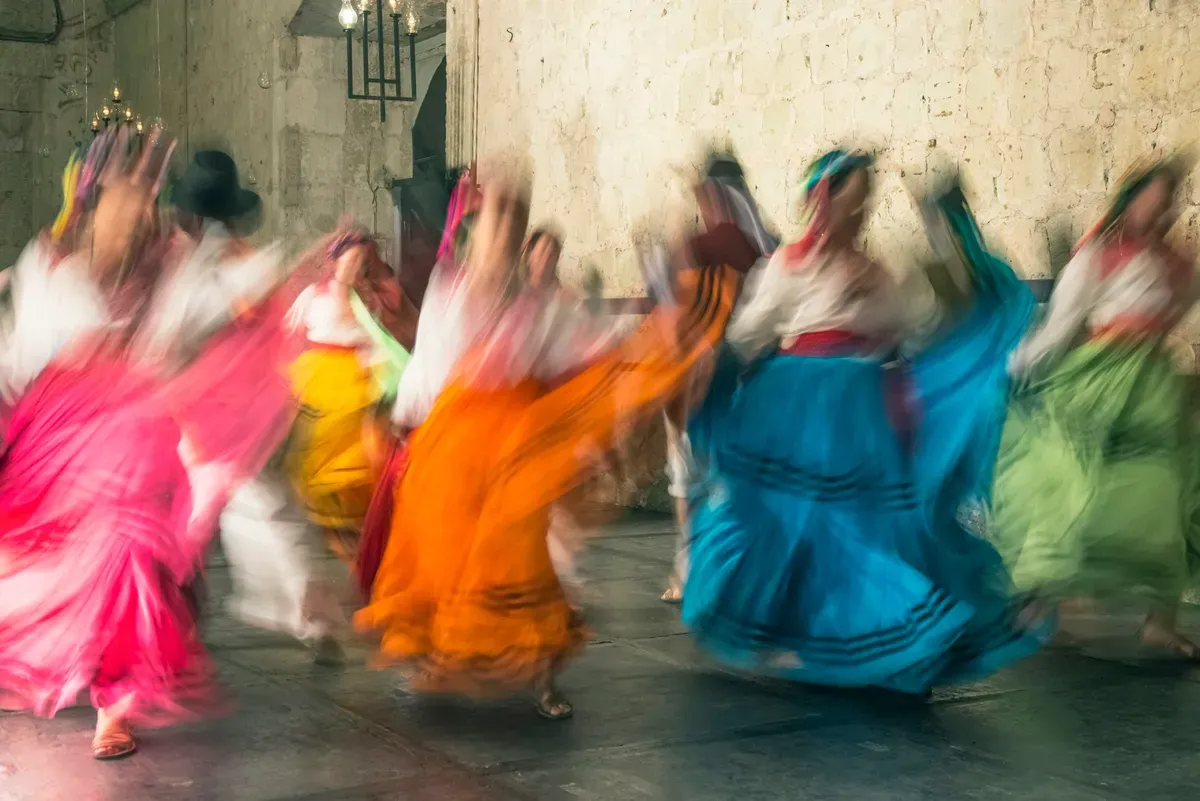
In the cultural heart of Mexico, right in the vibrant state of Oaxaca, a festival is held each year that captures the essence of community and tradition: the Guelaguetza.
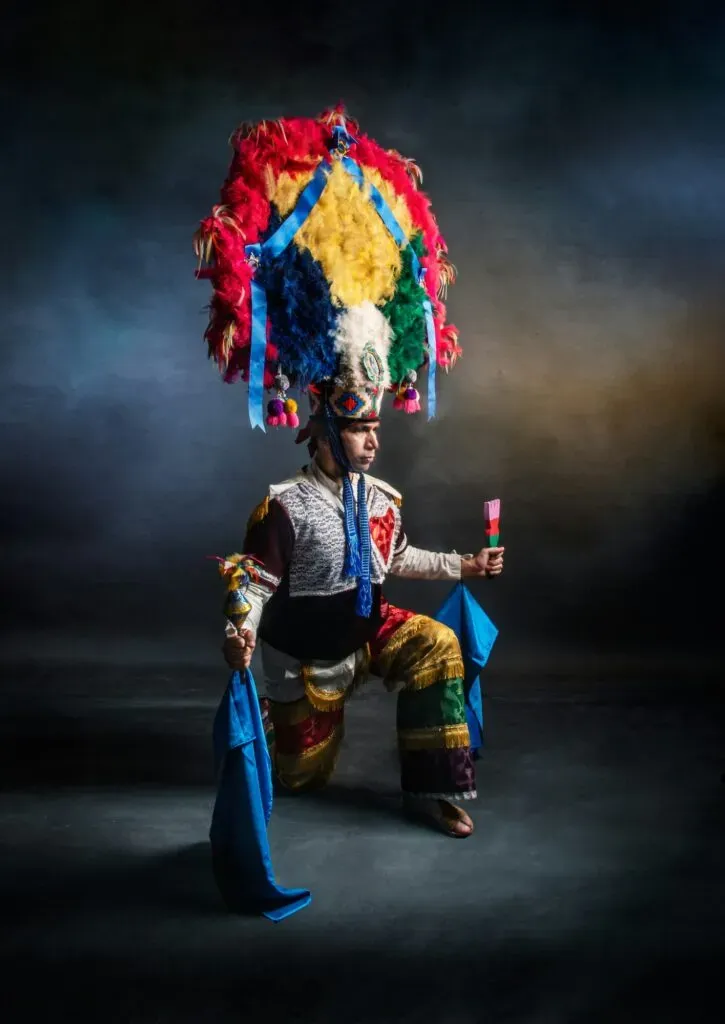
This event, beloved by locals and visitors alike, is a burst of colors, music, and dance that intertwines with the history and indigenous heritage of the country. But beyond the impressive displays, what truly stands out is the spirit of sharing and unity that defines the Guelaguetza.
“The Guelaguetza represents not only dance and tradition, but the profound legacy of a people that proudly celebrates its roots.”
If you have ever wondered when and how you can experience this unique celebration, you are about to discover the details that make the Guelaguetza an unforgettable experience. From the exact date it takes place to the most exciting activities you cannot miss, here we offer you all the information you need to fully immerse yourself in the magic of the Guelaguetza.
What is the Guelaguetza?
The Guelaguetza is Oaxaca’s largest and most important annual cultural festival, held every July at the Guelaguetza Auditorium on Cerro del Fortin. On the two “Lunes del Cerro” (Mondays on the Hill) following July 16, artistic delegations from all eight regions of the state perform traditional dances, music, and ceremonies. Its name comes from the Zapotec word “Guendalezaa,” meaning offering or reciprocity, and the festival celebrates the extraordinary cultural diversity of Oaxaca’s indigenous communities.
History and Origin of the Guelaguetza
The Guelaguetza, also known as “Los Lunes del Cerro” (The Mondays on the Hill), is a celebration that shines with the color of the customs and folklore of Oaxaca. At its core, this festival represents a tangible community collaboration in which goods and services are shared as a demonstration of reciprocity and mutual support.
The word Guelaguetza means “offering,” derived from the Zapotec word “guendalezaa,” which represents the action of giving or offering something. This term also translates as “offering, present, fulfillment,” and reflects the deep sense of community that characterizes the Oaxacan people.
Historically, its roots trace back to ancient pre-Hispanic celebrations dedicated to the gods, particularly festivals in honor of Centeotl, the goddess of corn, reflecting the importance of agriculture in the life of these communities. Originally a ritual for the gods, these dates have been considered important by the people of Oaxaca since ancient times.
Over time, the Guelaguetza has evolved, integrating religious elements after the arrival of the Spaniards. The pre-Hispanic celebrations were adapted and merged with Catholic festivities, and today it is primarily celebrated around the feast of the Virgen del Carmen.
The main objective of the Guelaguetza festival is to showcase and preserve the traditions and customs of the different indigenous communities of Oaxaca, thus promoting cultural diversity and pride in belonging to these communities. It is a moment where music, dance, traditional costumes, and food become protagonists, attracting visitors from all over the world who wish to immerse themselves in Oaxacan culture and folklore.
How Is the Date of the Guelaguetza Determined?
The date of the Guelaguetza is not arbitrary; its determination is based on a combination of traditional and calendar elements. Historically, the celebration takes place on the first and second Monday after July 16, known as “Lunes del Cerro” (Mondays on the Hill).
This coincides with the feast day of the Virgen del Carmen, a Catholic holiday that has influenced the Guelaguetza calendar. If the first Monday falls on July 18, the anniversary of Benito Juarez’s death, the tradition moves to the following Monday.
Additionally, the agricultural calendar of Oaxaca is taken into account, as the Guelaguetza is deeply rooted in traditions of mutual cooperation related to agriculture, such as harvesting and planting.
These connections reinforce the importance of the festival as a celebration of the local community and culture, beyond a simple tourist event. For this reason, the Guelaguetza not only celebrates these bonds but strengthens them, allowing both dates to signify more than just a day on the calendar: they are a vibrant expression of Oaxacan identity and unity.
The Cerro Festival: What to Expect
This incredible tradition begins a week before July 16, with a grand parade where the Chinas Oaxaquenas make their appearance — the women of the city who carry baskets full of flowers, accompanied by the participating regions, each playing music from their area.
During the first day, the chirimiteros (musical group) play “Las Mananitas” at different points throughout Oaxaca, and everyone takes it as a sign to head to the emblematic Cerro del Fortin, where the entire celebration takes place.
Upon arrival, you will be welcomed with many food stalls, ready to taste the delicious coffee characteristic of Oaxaca, enchiladas de tasajo, tamales, yellow mole empanadas — all while listening to the marimba and chirimiteros playing regional music. It is like listening to the theme of a film, where the protagonist is magic, tradition, and the connection with our roots and culture.
The main stage of this celebration is the Guelaguetza Auditorium, located on Cerro del Fortin. Although it initially lacked a name, in 1999 it was officially designated as the “Guelaguetza Auditorium.”
The Bani Stui Gulal
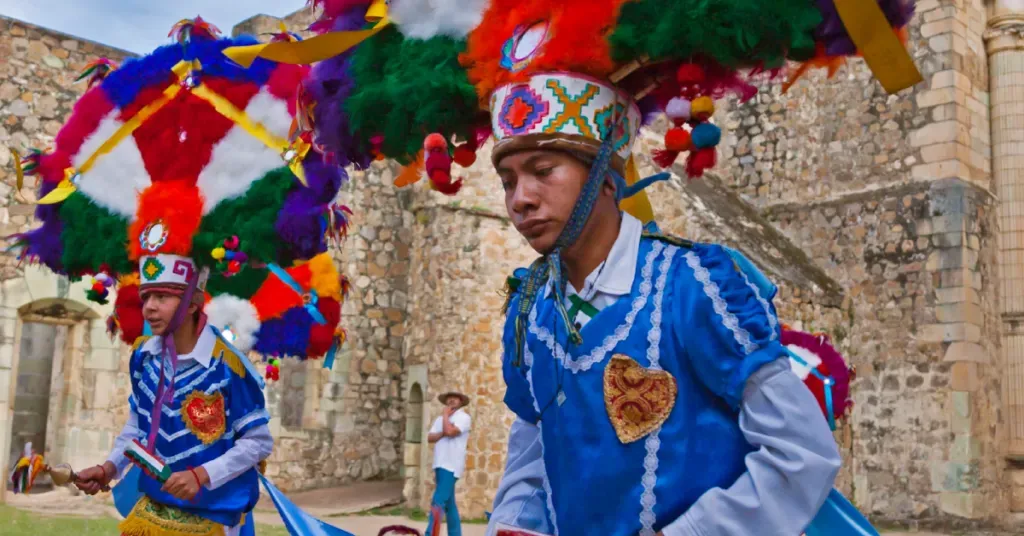
The Bani Stui Gulal, which means “repetition of the old” in Zapotec, is a spectacle of great splendor and color that is part of the Guelaguetza festivities. This presentation takes place at the Plaza de la Danza on the two Saturdays prior to the main celebration. The Bani Stui Gulal showcases Oaxacan culture and dance, with the participation of numerous dancers.
The show is divided into four eras, each representing different historical moments and traditions:
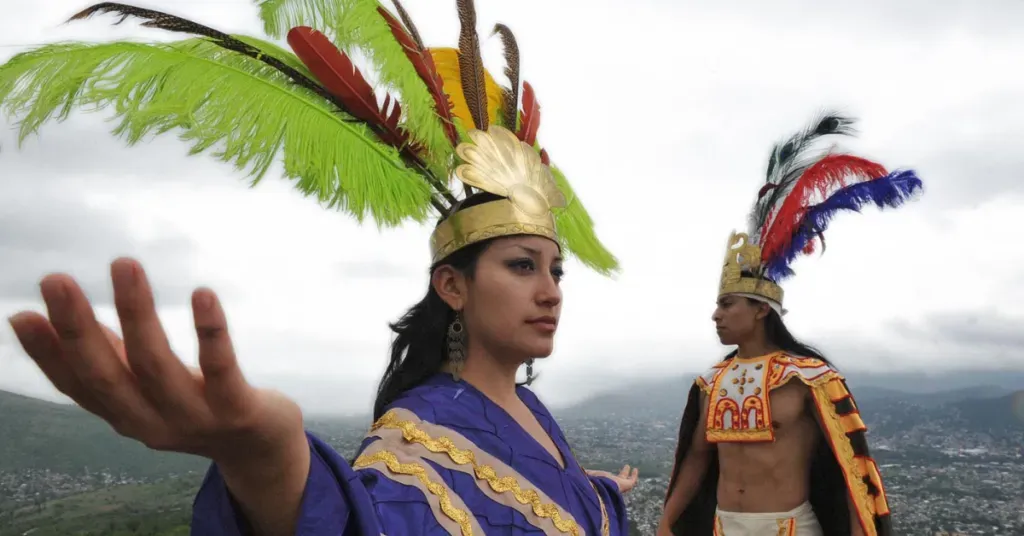
The pre-Hispanic era features dances in honor of the Goddess Centeotl, such as the dance of the virgins and the dance of the young warriors. These dances reflect the importance of tender corn in Mexica culture and ceremonial sacrifices.
The Colonial era shows the dances that the Mexicas continued to perform until the arrival of the Spaniards, as well as processions in honor of the Virgin of Carmen and festivities such as the carnival. Highlights include the participation of the marmots, the chinas de calenda, and the impressive giant serpent known as the “sierpe.”
The Independent Mexico era presents a parade featuring catrinas in their colorful costumes, charros, and chinas de calenda. During this era, inhabitants enjoy products offered by local vendors.
The Contemporary era showcases the traditional costumes of each region of Oaxaca, while a poem dedicated to the region is recited. The show concludes with the burning of fireworks, following the festive tradition of the Oaxacan people.
Dances by Region: The Eight Regions of Oaxaca
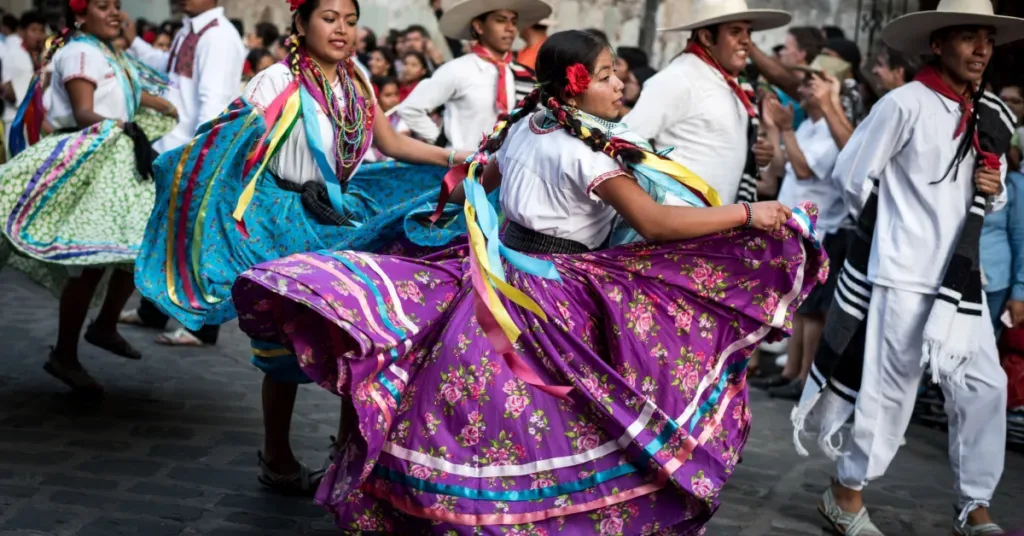
When you attend the Guelaguetza, you immerse yourself in a vibrant cultural mosaic. This celebration is a grand stage where delegations from the eight regions of Oaxaca shine, each bringing a representative piece of their culture.
The Guelaguetza brings together artistic delegations from the traditional regions: Los Valles Centrales, La Sierra Juarez, La Canada, Tuxtepec, La Mixteca, La Costa, and the Isthmus of Tehuantepec. Each region captivates attendees with dances, music, and songs imbued with tradition, joy, color, and pride.
From the Central Valleys region, known for its rich Zapotec tradition, to the lively Coast, each group has the opportunity to present a showcase of its music, dance, and traditional dress. The colorful costumes of the Mixteca and the energetic music of the Sierra Norte are absolutely memorable.
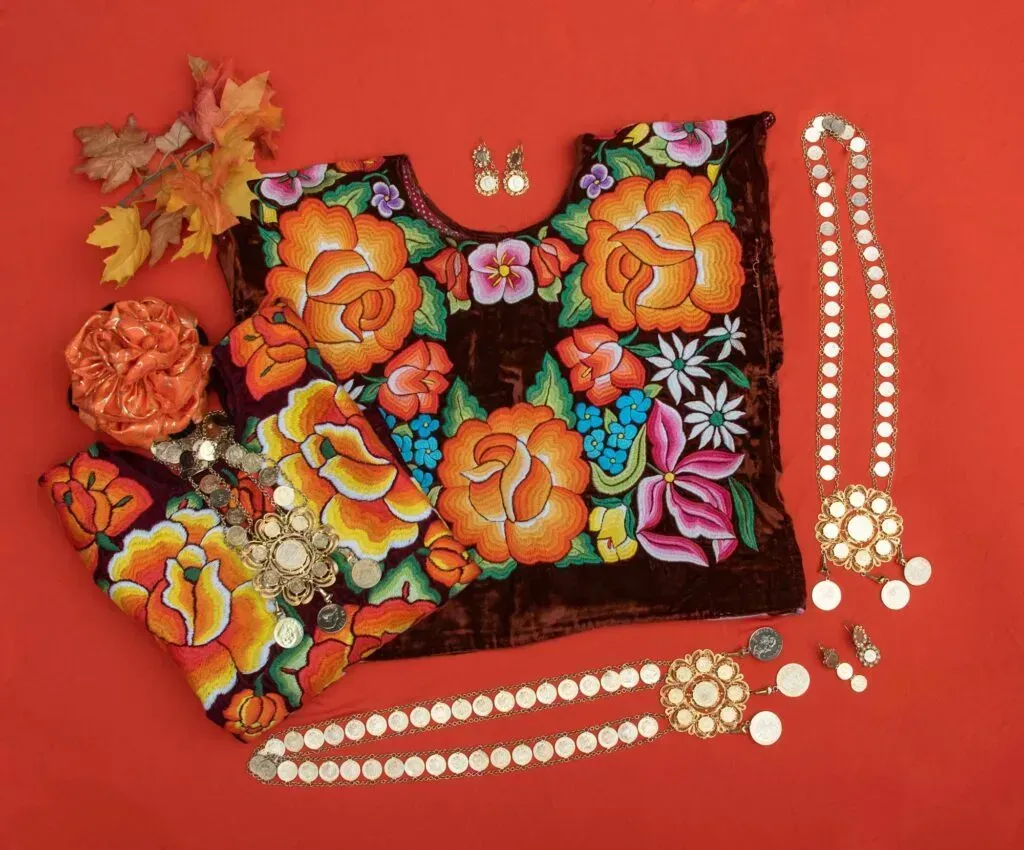
Each dance is unique, with traditional costumes that capture the cultural essence of each region. From men who dance as brave jaguars to women who spin in skirts that tell stories, every step is a living connection with the past.
The dances are not merely performances; they are a way of telling stories and conveying the generosity of “giving and receiving.” A clear example is the way typical products such as delicious tamales or Oaxaca’s quintessential snack, quesillo, are shared as symbols of gratitude and brotherhood.
Princess Donaji
The Legend of Princess Donaji is a highlight of the Lunes del Cerro celebration. The Oaxaca Folkloric Ballet is responsible for representing this legend, which tells the story of the daughter of the Zapotec king Cosijoeza and Princess Coyolicatzin. Through a spectacle of music, light, and dance on the Sunday before the Guelaguetza presentation, this legend is recreated in a captivating and emotive manner, providing spectators with a unique and immersive experience.
Guelaguetza Program: Must-See Activities and Events
The program of the Guelaguetza is a kaleidoscope of activities that will immerse you in the cultural richness of Oaxaca. The festivities offer a diverse range of experiences that highlight the best of local tradition and art.
- Opening Ceremony at the Plaza de la Danza: A ceremonial event that marks the start of the festivities. Here, an official ceremony takes place with the presence of notable figures.
- Floral Offering: A moving ceremony where homage is paid to the representatives of the 16 Cultures of Oaxaca. This offering is not only a tribute but also a gesture of respect and gratitude for diversity.
- Artistic Performances: Enjoy the vibrant dances of the eight regions of Oaxaca. The performances feature colorful costumes and infectious rhythms that invite the audience to join the celebration.
- Encuentro de Chirimias de Macuilxochitl: This event highlights the passion and musical talent of the region, enveloping you in a unique symphony.
- Convite at the Rotonda de las Azucenas: Parades filled with music and joy that provide an unforgettable sensory experience.
Tickets and Where to Sit
It is recommended to purchase tickets in advance to secure a seat at the Guelaguetza Auditorium. However, there are also open areas and free events in different parts of the city.
The Guelaguetza Auditorium offers different sections with various price ranges. Sections closer to the stage offer better visibility but sell out quickly. If you prefer a free experience, many of the cultural activities, parades, and gastronomic fairs are open to the public at no charge.
Gastronomy: Flavors of the Guelaguetza
The Guelaguetza is not only a feast for the eyes but also for the palate. During the festivities you can enjoy:
- Oaxacan Gastronomy Fair: Savor authentic dishes such as mole, tlayudas, and mezcal, all prepared with local ingredients.
- Gastronomic Demonstrations: Treat yourself to unique flavors at tastings of traditional regional dishes.
- Food at Cerro del Fortin: From the delicious coffee characteristic of Oaxaca to enchiladas de tasajo, tamales, and yellow mole empanadas.
Alternative Activities During the Festival
During the vibrant Guelaguetza festival, the streets of Oaxaca come alive with color and energy. In addition to the dances and traditions that define this event, there is a series of alternative activities that offer a deeper look into the rich Oaxacan culture:
- Delegation Parades: Watch as the colorful delegations from the 8 regions of Oaxaca parade, showcasing their culture.
- Folk Art Workshops: Learn to create Oaxacan crafts with the guidance of expert artisans.
- Artisan Exhibition: Discover the talent of local artisans in the sale of textiles, ceramics, and traditional art.
- Concerts and Live Music: Enjoy the vibrant Oaxacan music at different venues.
- Cultural Exhibitions: Immerse yourself in exhibitions that highlight the rich cultural and artistic heritage of Oaxaca.
- Guided Market Tours: Discover local ingredients and unique crafts while exploring traditional markets.
Tips for Your Visit
- Clothing: Wear comfortable and light clothing since the weather can be warm. Bring a hat and sunscreen.
- Tickets: Purchase your tickets in advance to secure a good spot at the Guelaguetza Auditorium.
- Accommodation: Book your lodging months in advance, as demand is high during the festivities. See our guide on where to stay in Oaxaca for neighborhood recommendations.
- Transportation: Arrive early to Cerro del Fortin to find a good spot. Consider walking from the city center.
- Live broadcast: If you cannot attend in person, the Cultural Broadcasting Stations of the National Commission for the Development of Indigenous Peoples broadcast live through “Ecos Indigenas. La Voz de la Diversidad” (Indigenous Echoes. The Voice of Diversity).
Frequently Asked Questions
- How long does the Guelaguetza celebration last in Oaxaca? The Guelaguetza is celebrated over two weeks, although the main activities are concentrated on two consecutive Mondays, known as “Los Lunes del Cerro.”
- Where does the Guelaguetza take place? The main event is held at the Auditorio Guelaguetza, located on Cerro del Fortin in Oaxaca de Juarez.
- Is it necessary to purchase tickets to attend the Guelaguetza? It is recommended to buy tickets to secure a seat in the auditorium, but there are also open areas and free events in different parts of the city.
- What type of clothing is appropriate for attending? Comfortable and light clothing is suggested since the weather can be warm; bringing a hat and sunscreen is also advisable.
- What other cultural events can I enjoy during the Guelaguetza? In addition to the traditional dances, there are artisan exhibitions, gastronomic fairs, concerts, folk art workshops, and guided market tours.
Conclusions
The Guelaguetza in Oaxaca, more than a folkloric celebration, is a living tribute to the diversity and cultural richness of this Mexican region. Participating in it means enjoying a unique sensory experience where tradition and modernity intertwine in a feast of colors, flavors, and sounds.
Whether you choose to explore the evocative dances, savor the local gastronomy, or dive into the alternative activities, you will take with you a deep understanding of Oaxacan identity. If you are planning around the festival, check our Oaxaca weather guide for what to expect in July. Be inspired to be part of this grand gathering and witness the spirit of cooperation and joy that characterizes this historic festival.
To learn more about activities you can enjoy in Oaxaca and its most important festivals, visit our guides on things to do in Oaxaca and Oaxacan food.
You may also be interested in: