
San Bartolo Coyotepec: Black Pottery Guide
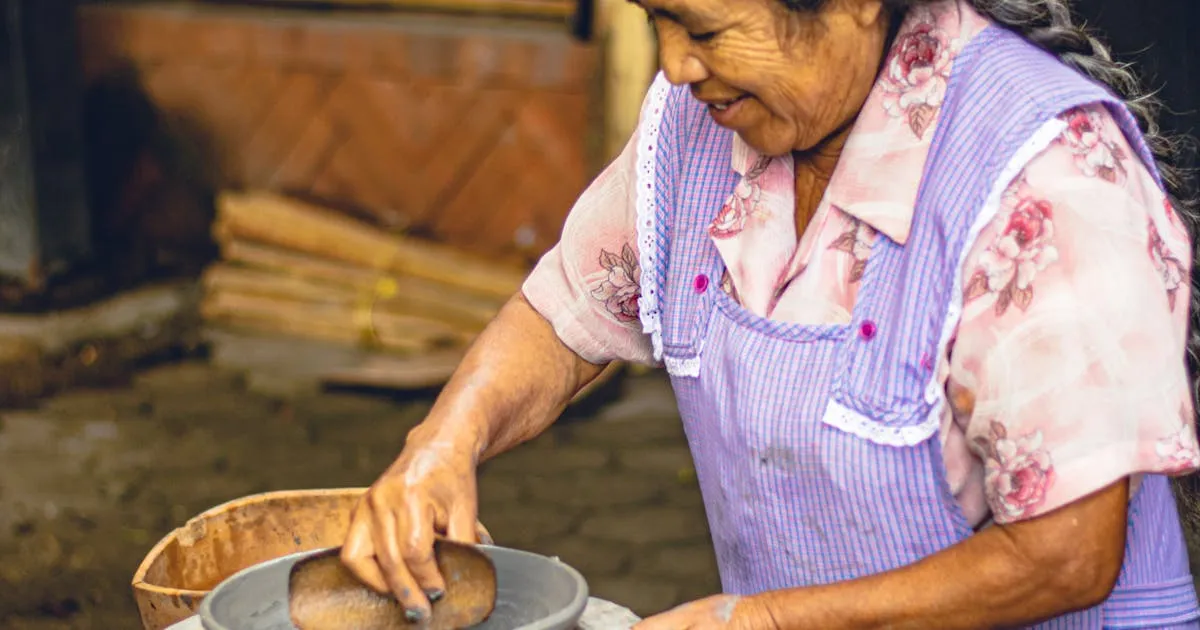
Twelve kilometers south of Oaxaca City, the small town of San Bartolo Coyotepec has been shaping clay into functional and decorative objects for over 2,000 years. But the pottery that has made this village famous around the world — the lustrous, jet-black barro negro — is actually a relatively modern innovation, pioneered by a single woman in the mid-20th century.
Before Doña Rosa Real de Nieto discovered her technique in the 1950s, the clay from San Bartolo produced gray, matte pottery. Today, the village is home to dozens of family workshops producing the distinctive glossy black ceramics that have become one of Oaxaca’s most recognizable artisan traditions. A visit here offers something rare: the chance to watch a living craft tradition at work, understand the chemistry and artistry behind it, and purchase directly from the hands that made it.
This guide covers everything you need to plan your visit — the history, the technique, the best workshops, buying advice, and logistics for a day trip from Oaxaca City.
The Story of Doña Rosa
The history of barro negro as we know it begins with Doña Rosa Real de Nieto (1900-1980), a potter from San Bartolo Coyotepec who transformed a regional craft into an internationally recognized art form.
For centuries, potters in San Bartolo had produced utilitarian gray pottery — water jugs, cooking vessels, mezcal containers — from the local mineral-rich clay. The pieces were functional but unremarkable in appearance.
According to the account passed down by her family and documented by anthropologists, Doña Rosa made her breakthrough sometime in the 1950s. She discovered that by polishing the surface of the unfired clay with a piece of quartz crystal, then firing the pieces in a sealed, oxygen-starved kiln (a process called reduction firing), the gray clay transformed into a deep, metallic black with a mirror-like sheen.
The technique was not entirely without precedent — reduction firing had been used in ancient Mesoamerican pottery — but Doña Rosa’s innovation was in combining the quartz polishing with precise kiln control to produce consistently lustrous results. She also developed the signature “singing” pots: thin-walled vessels that produce a bell-like tone when struck.
Doña Rosa’s workshop became a destination for artists, anthropologists, and eventually tourists throughout the 1960s and 1970s. She was recognized with Mexico’s National Prize for Arts and Sciences in Popular Arts and Traditions. After her death in 1980, her sons and their families continued the tradition, and the technique spread to other families in the village.
Today, her legacy is maintained at the Taller de Doña Rosa workshop, which is run by her descendants and remains the most visited workshop in San Bartolo Coyotepec.
Understanding the Technique
Watching barro negro being made is one of the highlights of visiting San Bartolo. Here is what you will see in the workshops:
1. Clay Preparation
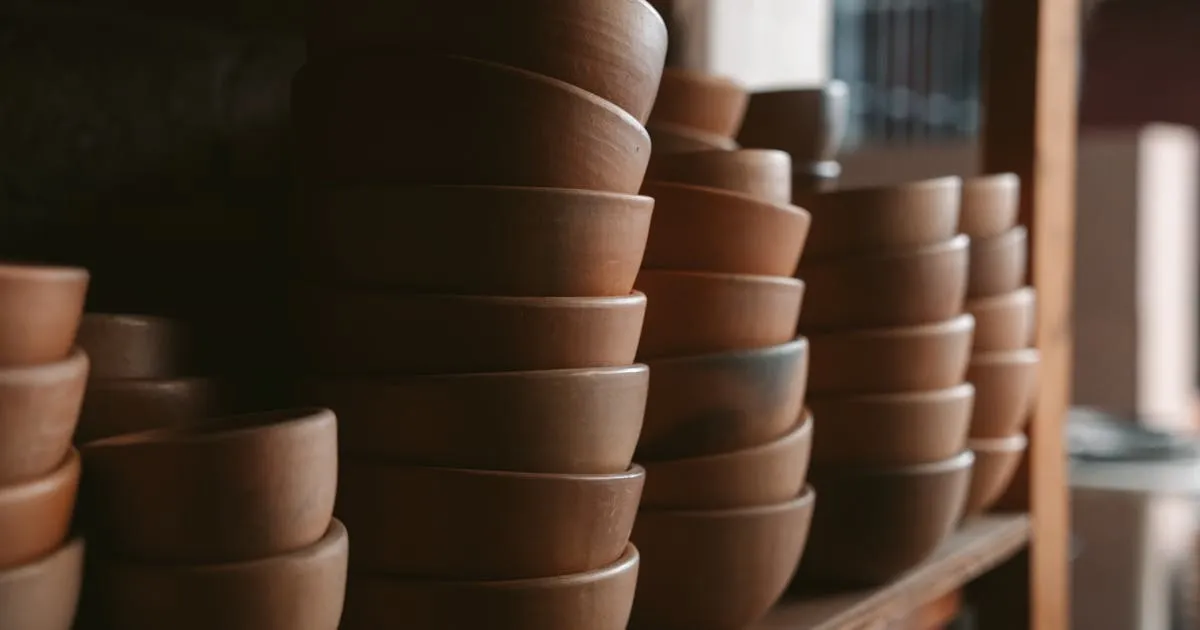
The raw material is a mineral-rich clay found exclusively in the hills around San Bartolo Coyotepec. The clay is collected, dried, ground into powder, and then mixed with water to create a workable consistency. This preparation process takes several days. The specific mineral composition of this clay — particularly its iron content — is what makes the black transformation possible.
2. Shaping
Unlike most pottery traditions in Mexico, barro negro artisans do not use a potter’s wheel. Instead, pieces are shaped using two concave molds (called “moldes”) that rotate against each other, a technique that predates the wheel. For larger or more complex pieces, artisans build forms by hand using coils and slabs, then refine the shapes with wooden tools and their fingers.
This hand-shaping process means every piece is unique. Even in a set of seemingly identical cups, subtle variations in wall thickness, rim shape, and proportions reveal the hand of the maker.
3. Polishing
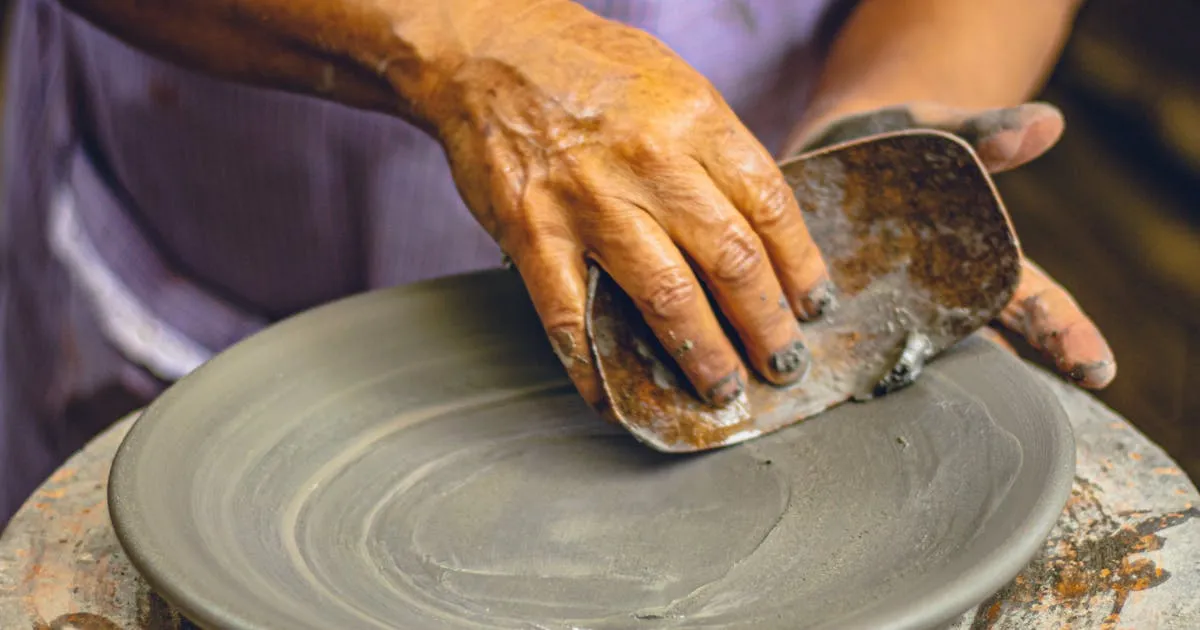
This is where the magic begins. After the piece is shaped and allowed to dry to a leather-hard consistency, the artisan polishes the surface using a small piece of quartz crystal. The crystal is rubbed firmly and repeatedly across the entire surface of the piece, compressing and aligning the clay particles. This burnishing creates the micro-smooth surface that will become the characteristic shine after firing.
The polishing stage is the most time-consuming part of production. A single large piece can require several hours of continuous polishing. The quality of the final shine depends entirely on the patience and skill applied during this step.
4. Decoration
Many pieces are decorated before firing. Techniques include:
- Incising: Carving designs into the surface with pointed tools
- Perforating (calado): Cutting intricate patterns through the walls of the piece, creating a lace-like effect that allows light to pass through. This technique is particularly stunning on candle holders and lamps.
- Stamping: Pressing textured tools into the clay to create repeated patterns
- Sculpting: Adding three-dimensional elements like flowers, animals, or human figures
5. Firing
The firing process is what produces the black color. Pieces are loaded into a wood-burning kiln and covered with a layer of ash and clay to seal the chamber. As the wood burns and the temperature rises to approximately 700-800 C (1,290-1,470 F), the sealed kiln creates a “reduction atmosphere” — an environment starved of oxygen. In these conditions, the iron minerals in the clay chemically reduce and turn black, rather than the orange or red they would become in an open-air (oxidation) firing.
The entire firing takes about 8 to 10 hours. The kiln is then left to cool slowly before pieces are removed. Not every piece survives — cracking and breakage during firing are common, which is one reason handmade barro negro carries a premium.
6. The Final Product
The finished pieces emerge from the kiln with a deep black color and a metallic luster that is entirely natural — no paint, glaze, or varnish is applied. The shine comes exclusively from the quartz polishing done before firing. The color is permanent and will not wash off or fade.
The minimum time from raw clay to finished piece is approximately 20 to 25 days, though complex sculptural works can take months.
Workshops to Visit
San Bartolo Coyotepec has dozens of workshops, but these are the most rewarding for visitors:
Taller de Doña Rosa (Doña Rosa Workshop)
Address: Juárez 24, San Bartolo Coyotepec
This is the original workshop where Doña Rosa developed her technique, now operated by her descendants. The family offers free demonstrations of the traditional process, including the shaping, polishing, and “singing pot” technique. The showroom displays an enormous range of pieces, from small figurines (starting at 50 MXN / $3 USD) to large decorative sculptures (5,000+ MXN / $270+ USD).
This is the most popular workshop for tourists, so it can be busy, especially when tour buses arrive between 10:00 AM and 1:00 PM. Visit early in the morning or after 2:00 PM for a more intimate experience.
Taller de los Hermanos Ortega
The Ortega family is known for pushing barro negro into contemporary art territory. Their pieces include elaborate sculptural works, modern decorative designs, and the intricate calado (perforation) technique that creates stunning light-filtering effects. Prices are slightly higher than average but reflect the exceptional craftsmanship.
Taller de la Familia Cuevas
A smaller, family-run workshop that offers a particularly warm and personal experience. They specialize in traditional forms — mezcal cups (copitas), candle holders, vases, and nativity scenes (nacimientos) during the Christmas season. The family is happy to explain their process in detail and let visitors try their hand at polishing.
Taller Artesanal Barro Negro
Located near the town center, this workshop focuses on functional pieces — dinnerware, cups, serving bowls — as well as decorative items. They are known for their consistent quality and fair fixed prices.
Hands-On Experiences
Several workshops offer hands-on pottery classes where you can shape, polish, and decorate your own piece of barro negro. Sessions typically last 1.5 to 2 hours and cost 200 to 500 MXN ($11 to $27 USD) per person, including materials. Your piece will need to be dried and fired before it can be taken home — most workshops offer to ship the finished piece to your hotel in Oaxaca City within a few days, or they can arrange international shipping.
Some organized tours from Oaxaca City include a hands-on workshop component. If this interests you, ask specifically when booking.
Buying Guide: What to Look For
Quality Indicators
- Shine: The best pieces have a deep, uniform metallic luster. This indicates thorough, patient quartz polishing. Dull or uneven shine suggests rushed polishing.
- Wall thickness: For decorative pieces, thin walls indicate higher skill. The famous “singing pots” are exceptionally thin-walled.
- Sound: Tap the piece gently. High-quality barro negro produces a clear, resonant ring. A dull thud may indicate cracks or thicker, less refined construction.
- Weight: For its size, well-made barro negro is surprisingly light. Heavy pieces suggest thick walls and less skilled construction.
- Calado work: If buying perforated pieces, examine the cuts closely. Clean, precise perforations with no cracks indicate expert craftsmanship.
Pricing Guide
Prices vary significantly based on size, complexity, technique, and the reputation of the artisan. Here are approximate ranges:
| Item | Price Range |
|---|---|
| Small figurines, ornaments | 50-200 MXN ($3-$11 USD) |
| Mezcal copitas (cups) | 80-250 MXN ($4-$14 USD) |
| Candle holders | 150-800 MXN ($8-$43 USD) |
| Medium vases | 300-1,500 MXN ($16-$81 USD) |
| Large vases and sculptures | 1,500-8,000 MXN ($81-$432 USD) |
| Signed art pieces by named artisans | 5,000-30,000+ MXN ($270-$1,620+ USD) |
| Calado (perforated) lamps and lanterns | 800-5,000 MXN ($43-$270 USD) |
| Dinnerware sets (4-6 pieces) | 600-2,000 MXN ($32-$108 USD) |
Negotiating
Prices in the workshops are generally fair and fixed. Aggressive bargaining is not customary and can be seen as disrespectful to the artisan’s labor. That said, if you are buying multiple pieces, it is perfectly acceptable to ask for a small discount — “Si llevo tres piezas, me puede hacer un descuento?” (If I take three pieces, can you give me a discount?). A 10-15% reduction on a larger purchase is reasonable.
Avoiding Imitations
Not all black pottery sold in Oaxaca comes from San Bartolo Coyotepec. Some tourist shops sell factory-produced or mass-painted imitations. Here is how to identify authentic barro negro:
- Surface feel: Authentic barro negro has a smooth, cool, slightly metallic feel. Painted pieces feel like painted ceramic.
- Uniformity: Handmade pieces have subtle irregularities. Factory pieces are perfectly uniform.
- Price: If a piece that looks like it should cost 500 MXN is being sold for 50 MXN, it is almost certainly not handmade barro negro.
- Location: Buying in San Bartolo Coyotepec itself is the best guarantee of authenticity.
Shipping and Transport
Barro negro is fragile. If you are flying home, most workshops will professionally wrap pieces for transport in your luggage. For larger pieces or multiple items, workshops and shops in Oaxaca City can arrange international shipping via DHL, FedEx, or Estafeta.
- Domestic shipping (within Mexico): 200-600 MXN ($11-$32 USD) depending on size
- International shipping (to US/Canada): 800-3,000 MXN ($43-$162 USD) depending on size and weight
- International shipping (to Europe/other): 1,500-5,000 MXN ($81-$270 USD)
Ask the workshop to double-box the piece with plenty of padding. Barro negro has survived kiln temperatures, but it will not survive a careless baggage handler.
Planning Your Day Trip
Getting There
San Bartolo Coyotepec is located 12 kilometers (7.5 miles) south of Oaxaca City on Highway 175. Getting there is straightforward:
- Taxi: 100-150 MXN ($5-$8 USD) each way from Oaxaca City center. The ride takes about 20 minutes.
- Colectivo (shared van): Catch a colectivo to Coyotepec from the south side of the Central de Abastos market. Cost: 10-15 MXN ($0.50-$1 USD) per person. They depart frequently throughout the day.
- Uber/DiDi: Available for the trip from Oaxaca City; return rides may require calling a taxi from the village.
- Rental car: Easy drive on a paved highway. Free parking is available at and around the workshops.
- Organized tour: Many tour companies combine San Bartolo with other artisan villages (Teotitlán del Valle, Santo Tomás Jalieza, San Martín Tilcajete for alebrijes). Half-day tours cost 400-800 MXN ($22-$43 USD) per person; full-day tours 600-1,200 MXN ($32-$65 USD).
Suggested Itinerary
9:00 AM: Depart Oaxaca City by taxi or colectivo.
9:30 AM - 10:30 AM: Visit the Taller de Doña Rosa for a demonstration and browse the showroom.
10:30 AM - 11:30 AM: Walk to one or two additional workshops (the village is compact and walkable — most workshops are within a few blocks of the main road). Compare styles, techniques, and prices.
11:30 AM - 12:30 PM: If you are taking a pottery class, this is a good time slot.
12:30 PM - 1:30 PM: Lunch in San Bartolo. There are several small comedores (family restaurants) near the main road serving traditional Oaxacan food. Try the mole rojo or tasajo with handmade tortillas. A full meal costs 60-120 MXN ($3-$7 USD).
1:30 PM - 2:30 PM: Visit the town church, Parroquia de San Bartolomé Apóstol, a lovely colonial-era building. If it is Friday, visit the small tianguis (open-air market) where local vendors sell pottery, food, and household goods.
2:30 PM: Return to Oaxaca City, or continue to another artisan village.
Combining with Other Villages
A popular day trip combines San Bartolo Coyotepec with other nearby artisan communities:
- San Martín Tilcajete (22 km / 14 miles south): Home of the colorful alebrijes — fantastical wood carvings of imaginary creatures painted in brilliant colors. For more on what to buy in Oaxaca, see our shopping guide. The contrast with barro negro’s monochrome elegance is striking.
- Santo Tomás Jalieza (25 km / 16 miles south): Backstrap-loom textiles — belts, bags, and table runners.
- Ocotlán de Morelos (33 km / 21 miles south): Friday market and the Aguilar sisters’ clay figurines.
You can visit two or three of these villages in a full day. A taxi for a circuit costs approximately 600-1,000 MXN ($32-$54 USD) for the whole trip, or you can book a shared artisan village tour through most hotels and tour agencies.
Best Time to Visit
- Any day works. Workshops are open daily, though some close on Sundays.
- Fridays bring the weekly tianguis market, adding another layer to the visit.
- December is especially rewarding: workshops produce elaborate nativity scenes (nacimientos) and Christmas ornaments, and the village has a festive atmosphere.
- Late July (Guelaguetza period): The village participates in festival activities, and you can see barro negro used in traditional ceremonial contexts.
What to Bring
- Cash. Most workshops accept cash only. A few larger ones take credit cards, but do not rely on it. Bring at least 500-1,000 MXN ($27-$54 USD) if you plan to buy.
- A bag or backpack with padding. If you are buying pieces to carry back to your hotel, bring bubble wrap or a towel to protect them.
- Sunscreen and a hat. The walk between workshops is exposed to the sun.
- Camera. Artisans in the workshops are generally happy to be photographed at work. Ask first, as a courtesy.
Barro Negro in Context: Supporting Living Artisan Traditions
San Bartolo Coyotepec faces the same challenges confronting artisan communities across Mexico — competition from factory imitations, the migration of younger generations to cities, and the rising cost of materials. Your visit and purchase directly support the families who keep this tradition alive.
Some visitors wonder whether buying barro negro is “just” buying a souvenir. It is not. Each piece represents a chain of knowledge that stretches back over two millennia — from the ancient Zapotec potters of Monte Alban through Dona Rosa’s mid-century innovation to the artisans working today. When you hold a piece of barro negro and hear it ring, you are hearing 2,000 years of cultural continuity.
For more on Oaxaca’s broader artisan heritage, explore our guides to Oaxacan alebrijes and traditional textiles. You can also learn about the history and technique of barro negro in our companion article.