
Oaxaca Itinerary: How to Spend 3, 5, or 7 Days
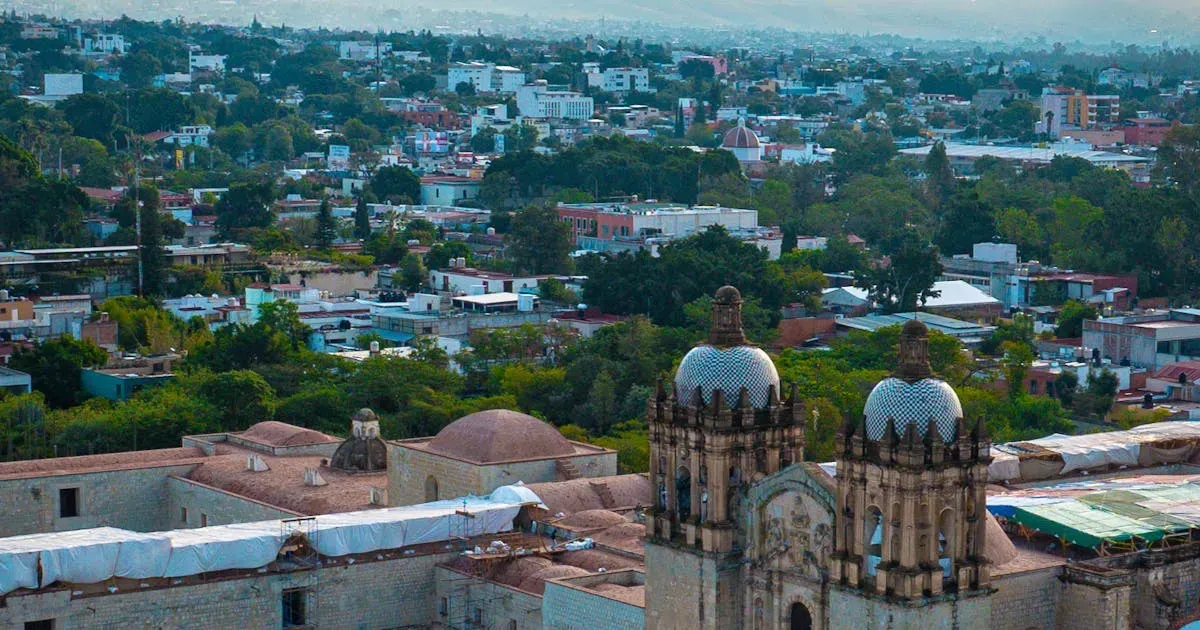
How many days do you need in Oaxaca? The honest answer is that you could spend a month and still discover something new every day. But most travelers have between 3 and 7 days, and with smart planning, that is enough to experience the city’s colonial beauty, world-class food scene, ancient ruins, artisan villages, and natural wonders.
This guide provides detailed, day-by-day itineraries for 3, 5, and 7-day trips. Each builds on the previous one, so you can extend your stay if Oaxaca captures you (and it will). We include practical details like estimated costs, timing, and logistics to help you make the most of every day.
Before You Go: Essential Planning
When to Visit
The dry season (October through April) offers the best weather: sunny days, cool evenings, and clear skies. Peak tourist seasons are Day of the Dead (late October-early November), Christmas/New Year, Guelaguetza (late July), and Semana Santa (Easter week). Visit during shoulder months (January, February, September) for great weather with fewer crowds.
Where to Stay
For first-timers, the Centro Histórico puts you within walking distance of everything. Jalatlaco is excellent for couples and foodies. For detailed neighborhood comparisons and recommendations, see our Where to Stay in Oaxaca guide.
Getting Around
Oaxaca City is compact and walkable. For day trips, you have several options:
- Collective shuttle vans run to Monte Albán and other popular sites
- Shared tours (300-800 MXN / $16-43 USD per person) handle logistics for farther destinations
- Private tours (2,000-4,000 MXN / $108-216 USD per group) offer flexibility
- Rental cars work well if you are comfortable driving in Mexico
- Uber/DiDi operate within the city for 30-80 MXN ($2-4 USD) per ride
Budget Overview
| Category | Budget | Mid-Range | Comfort |
|---|---|---|---|
| Accommodation | 300-500 MXN ($16-27) | 1,200-2,500 MXN ($65-135) | 3,500+ MXN ($189+) |
| Food (per day) | 200-350 MXN ($11-19) | 500-900 MXN ($27-49) | 1,000+ MXN ($54+) |
| Activities (per day) | 100-200 MXN ($5-11) | 400-800 MXN ($22-43) | 1,000+ MXN ($54+) |
| Daily Total | 600-1,050 MXN ($32-57) | 2,100-4,200 MXN ($114-227) | 5,500+ MXN ($297+) |
3-Day Oaxaca Itinerary: The Highlights
Three days is the minimum to experience Oaxaca’s essential attractions. This itinerary is fast-paced but covers the city center, Monte Albán, the markets, a day trip to Hierve el Agua, and enough food experiences to understand why Oaxaca is Mexico’s culinary capital.
Day 1: Discover the City Center
Morning (8:00 AM - 12:00 PM)
Start your first day at the Zócalo (main plaza) with coffee and pan de yema at one of the cafes lining the square. Soak in the atmosphere — the plaza is beautiful in the morning light, with fewer crowds and cooler temperatures.
Walk north along the Andador Turístico (pedestrian street on Macedonio Alcalá), browsing galleries, mezcal shops, and artisan boutiques as you make your way to the Templo de Santo Domingo de Guzmán. Arrive by 10:00 AM to explore the church’s stunning gold-leaf interior and the adjoining Museo de las Culturas de Oaxaca. Do not miss the Tomb 7 treasures — Mixtec gold jewelry and jade that rival any archaeological collection in the world. Allow 1-1.5 hours for the museum.
Lunch (12:30 PM - 2:00 PM)
Walk to Mercado 20 de Noviembre for lunch at the Pasillo de Humo (“Smoke Alley”). Choose your grilled meat — tasajo (dried beef), cecina (marinated pork), or chorizo — from one of the grill vendors, then sit at a communal table and order sides: handmade tortillas, beans, grilled nopales (cactus), guacamole, and salsa. This is one of the most iconic food experiences in Oaxaca.
Cost: Approximately 100-150 MXN ($5-8 USD) for a full meal.
Afternoon (2:30 PM - 5:30 PM)
After lunch, walk through Mercado Benito Juárez (one block from Mercado 20 de Noviembre) to browse chapulines, chocolate, mole paste, quesillo, and handicrafts. This is a sensory overload in the best possible way.
At 3:00 or 4:00 PM, join a guided tour of the Jardín Etnobotánico (Ethnobotanical Garden) behind Santo Domingo. English-language tours are available on certain days — confirm the schedule at the garden entrance or your hotel. The garden showcases Oaxaca’s extraordinary plant diversity, from towering cacti to agave species used for mezcal. Tours last about 1.5 hours and cost 100 MXN ($5 USD).
Evening (7:00 PM onward)
Dinner at a traditional restaurant serving mole negro — the most complex and celebrated of Oaxaca’s seven moles. After dinner, walk to one of the mezcalerías in the center for your first proper mezcal tasting. Ask the bartender to guide you through different agave varieties: start with espadín, then try tobalá and cuishe to appreciate the range of flavors.
Day 1 Budget Estimate: 400-800 MXN ($22-43 USD) excluding accommodation.
Day 2: Monte Albán and Artisan Villages
Morning (7:30 AM - 12:30 PM)
Catch an early shuttle van to Monte Albán from the Hotel Rivera del Ángel (Mina 518). Departures start at 8:30 AM — arrive by 8:00 AM to get your ticket. Round-trip shuttle costs approximately 80-100 MXN ($4-5 USD). Site admission is 90 MXN ($5 USD).
Hire a guide at the entrance (600-900 MXN / $32-49 USD for a small group — split the cost with other visitors). With a guide, you will understand the Zapotec civilization, the significance of the Danzantes carvings, the astronomical observatory (Building J), and the engineering achievement of flattening a mountaintop to build a city. Climb the South Platform for panoramic views of the Oaxaca Valley.
Allow 2.5-3 hours at the site. For complete visiting details, see our Monte Albán Visitor Guide.
Lunch (1:00 PM - 2:30 PM)
Return to the city and grab lunch at a market fonda or neighborhood restaurant. Try tamales oaxaqueños (wrapped in banana leaves) with mole amarillo — a lighter, brighter complement to last night’s mole negro.
Afternoon (3:00 PM - 6:00 PM)
Visit one or two artisan villages south of the city:
Option A: San Bartolo Coyotepec (12 km / 7.5 miles south, 20 minutes by taxi). Home of Oaxaca’s famous barro negro (black pottery). Visit workshops where artisans shape and polish the distinctive black clay using techniques unchanged for centuries. Pieces range from 50 MXN ($3 USD) for small items to thousands for large sculptures.
Option B: Teotitlán del Valle (31 km / 19 miles east, 40 minutes). A Zapotec village renowned for handwoven wool rugs colored with natural dyes — cochineal (from insects), indigo, pomegranate, and marigold. Visit family workshops to watch the dyeing and weaving process. Small rugs start at 500 MXN ($27 USD).
Taxi cost to villages: 150-250 MXN ($8-14 USD) each way. Alternatively, book a shared tour that combines Monte Albán with village visits (400-700 MXN / $22-38 USD per person).
Evening (8:00 PM onward)
Tonight, eat tlayudas at a street stall. Head to the stalls along Calle Mina around 8:30 PM, choose your toppings (tasajo is the classic choice), and eat standing up or at a plastic table under the stars. This is Oaxaca at its most authentic and delicious. Cost: 60-100 MXN ($3-5 USD).
Day 2 Budget Estimate: 600-1,200 MXN ($32-65 USD) excluding accommodation.
Day 3: Hierve el Agua, Mitla, and Mezcal
Full Day Trip (8:00 AM - 6:00 PM)
This is the most popular day trip combination from Oaxaca, and with good reason — it packs three incredible experiences into a single day. You can arrange this as a shared tour (400-700 MXN / $22-38 USD per person), a private tour (2,000-3,500 MXN / $108-189 USD per group), or by rental car.
Stop 1: El Tule (8:30 AM)
A brief stop to see the Árbol del Tule, a massive Montezuma cypress tree with the widest trunk of any tree in the world — over 14 meters (46 feet) in diameter. It is estimated to be between 1,500 and 3,000 years old. The tree stands in the churchyard of Santa María del Tule, about 13 kilometers (8 miles) east of the city. Admission: 10 MXN ($0.50 USD).
Stop 2: Mitla (10:00 AM)
The ancient Zapotec religious center of Mitla is known for its extraordinary geometric stone fretwork (grecas) — intricate patterns pieced together from thousands of small stone pieces without mortar. The craftsmanship is mesmerizing and unlike anything at Monte Albán. Mitla is about 46 kilometers (29 miles) east of the city. Admission: 90 MXN ($5 USD). Allow 45 minutes to 1 hour.
Stop 3: Mezcal Tasting (11:30 AM)
The road between Mitla and Hierve el Agua passes through Santiago Matatlán, known as the “world capital of mezcal.” Stop at a palenque (artisanal distillery) to see the traditional production process — roasting agave in underground pits, crushing with a stone wheel, fermenting in wooden vats — and taste several varieties. Most palenques offer free tastings and sell bottles at producer prices (200-800 MXN / $11-43 USD per bottle).
Stop 4: Hierve el Agua (1:00 PM - 3:30 PM)
The “petrified waterfalls” of Hierve el Agua are mineral-encrusted rock formations that look like frozen cascades, created over millennia by calcium-rich spring water. At the top, shallow infinity pools filled with mineral water overlook the valley below — swimming here is unforgettable. There are also hiking trails to the base of the formations for different perspectives.
Admission: 50 MXN ($3 USD). Bring a swimsuit, towel, and water shoes (the pool bottoms are rocky). There are basic food stalls and bathrooms at the site.
Return to the City (5:00 PM - 6:00 PM)
The drive back takes about 1.5-2 hours depending on stops.
Evening (7:30 PM onward)
For your final evening, treat yourself to a sit-down dinner at one of Oaxaca’s best restaurants. Consider ordering a mole tasting plate to compare several of the seven moles side by side. End the night with a farewell mezcal at your favorite mezcalería.
Day 3 Budget Estimate: 500-1,000 MXN ($27-54 USD) for a shared tour, excluding accommodation and dinner.
5-Day Oaxaca Itinerary: The Full Experience
Five days lets you breathe. You keep the essential experiences from the 3-day itinerary but add a cooking class, deeper cultural exploration, and time to simply wander.
Days 1-3: Same as the 3-Day Itinerary Above
Follow the 3-day itinerary as described. With the pressure of departure removed, you can take things slower — linger longer at the museum, spend more time in the markets, or sit in the Zócalo watching the world go by.
Day 4: Cooking Class and Cultural Deep Dive
Morning (8:00 AM - 2:00 PM)
Book an Oaxacan cooking class — this is consistently rated as one of the top experiences in the city. Most classes begin with a guided tour of a local market, where you learn to identify chiles, herbs, and ingredients essential to Oaxacan cuisine. Then you return to a kitchen and prepare 3-5 dishes, which might include mole, tlayudas, tamales, and a chocolate drink.
Classes run approximately 4-6 hours and cost 1,200-2,500 MXN ($65-135 USD) per person. Book at least a day in advance, especially during high season. This is worth every peso — you will leave not just with full stomachs but with skills and recipes you can use at home.
Afternoon (3:00 PM - 6:00 PM)
After your cooking class, explore the cultural attractions you may have missed on earlier days:
- Museo Textil de Oaxaca (free admission) — Rotating exhibitions of traditional and contemporary Oaxacan textiles. The craftsmanship is astonishing.
- Museo de Arte Contemporáneo de Oaxaca (MACO) — Contemporary art in a restored 18th-century building. Admission: 30 MXN ($2 USD).
- Instituto de Artes Gráficas de Oaxaca (IAGO) — Founded by artist Francisco Toledo, this institute houses a world-class collection of graphic arts and a stunning library. Free admission.
Evening (6:00 PM onward)
Explore Jalatlaco, the colorful neighborhood east of the center. Walk its photogenic streets, grab a specialty coffee at one of its independent roasters, and have dinner at a restaurant serving contemporary Oaxacan cuisine. End the evening at a Jalatlaco mezcal bar — the vibe is more intimate and local than the centro.
Day 4 Budget Estimate: 1,500-3,000 MXN ($81-162 USD) including cooking class, excluding accommodation.
Day 5: Markets, Neighborhoods, and Farewell
Morning (8:00 AM - 12:00 PM)
Visit the Central de Abastos, Oaxaca’s largest market and one of the biggest in Mexico. This is not a tourist market — it is where the city’s residents buy their daily food, household goods, and everything else. It can be overwhelming in size and energy, so consider going with a guide or simply wandering with an open mind.
Find the section selling mole paste by weight, the fresh fruit vendors, and the comida corrida (set lunch) stalls where a full meal costs 50-70 MXN ($3-4 USD). This is authentic Oaxaca at its most vivid.
If it happens to be a market day in a nearby village, consider a detour:
- Tlacolula Sunday Market: One of the oldest continuously operating markets in the Americas. A sprawling affair that takes over the entire town. 30 minutes east of the city.
- Ocotlán Friday Market: Known for textiles, pottery, and the carved wooden animals from nearby San Martín Tilcajete.
- Zaachila Thursday Market: Smaller and more local, with excellent food.
Afternoon (1:00 PM - 5:00 PM)
Spend your final afternoon at your own pace. Some suggestions:
- Shopping for gifts: Return to Mercado Benito Juárez or the shops along the Andador for chocolate, mole paste, chapulines, textiles, and alebrijes. Chocolate and mole paste travel well in checked luggage.
- Rooftop mezcal: Find a rooftop bar with views of the church domes and surrounding mountains. Order a mezcal you have not tried yet and reflect on the trip.
- Walk Xochimilco: Explore this quieter residential neighborhood north of the center. Have a coffee, browse a gallery, and experience everyday Oaxacan life.
Evening (7:00 PM onward)
For your final dinner, revisit whatever food experience affected you most — the smoke-filled market, a favorite mole, a street stall, or a candlelit restaurant. Oaxaca rewards return visits, even to the same place twice.
Day 5 Budget Estimate: 400-800 MXN ($22-43 USD) excluding accommodation.
7-Day Oaxaca Itinerary: The Deep Dive
A full week lets you truly settle into Oaxaca’s rhythm. You will have time for the cloud forests of the Sierra Norte, a beach day trip, deeper village exploration, and the luxurious feeling of going wherever your curiosity takes you.
Days 1-5: Same as the 5-Day Itinerary Above
Follow the 5-day itinerary as described.
Day 6: Sierra Norte Ecotourism
Full Day Trip (7:00 AM - 6:00 PM)
The Pueblos Mancomunados in the Sierra Norte mountains offer some of the best community-based ecotourism in Mexico. Eight Zapotec communities have joined together to manage trails, cabins, and guide services through cloud forests, pine-oak forests, and mountain meadows at altitudes reaching 3,200 meters (10,500 feet).
How to get there: The easiest way is to take a shared taxi or van from the city’s second-class bus station to one of the Sierra Norte communities. The ride takes about 1.5-2 hours and costs 80-120 MXN ($4-7 USD) per person. Alternatively, book through Expediciones Sierra Norte (the community-run tourism office in Oaxaca City at Bravo 210) for organized day trips or overnight packages.
What to do:
- Hiking: Trails range from easy 2-hour walks to challenging full-day treks. The most popular route connects the villages of Cuajimoloyas and Benito Juárez through misty cloud forest. The scenery is breathtaking — imagine towering pines, hanging moss, wildflowers, and views that stretch across the entire Oaxaca Valley.
- Mountain biking: Rent bikes in the communities and ride trails through the forest. The descents are exhilarating.
- Bird watching: The Sierra Norte is home to over 400 bird species, including trogons, hummingbirds, and the elusive dwarf jay, endemic to Oaxaca.
What to bring: Layers (it is significantly cooler than the city — temperatures can drop to 5°C / 41°F), rain gear, hiking boots, water, snacks, and a camera. Sun protection is still important at altitude.
Meals: The communities operate small comedores (dining halls) serving homemade food — beans, eggs, tortillas, and stews. Simple but hearty and deeply satisfying after a morning of hiking.
Cost: A day trip including transport, guide, and lunch runs approximately 500-800 MXN ($27-43 USD) per person through Expediciones Sierra Norte.
Evening:
Return to the city tired and exhilarated. Have a quiet dinner and an early night — you have earned it.
Day 6 Budget Estimate: 500-1,000 MXN ($27-54 USD) excluding accommodation.
Day 7: Slow Day — Your Oaxaca, Your Way
Morning (9:00 AM - 12:00 PM)
Sleep in. You have been going hard for six days, and your final morning should feel unhurried.
Choose one or two activities that align with what you have enjoyed most:
- Chocolate workshop: Learn to make Oaxacan chocolate from raw cacao, grinding it on a metate and blending it with cinnamon and sugar. Several operators offer 2-hour workshops for 400-700 MXN ($22-38 USD).
- Textile village visit: If you visited Teotitlán del Valle earlier, consider Santo Tomás Jalieza (backstrap loom weaving) or San Antonino Castillo Velasco (embroidered blouses and dresses). These less-visited villages offer authentic encounters with artisans.
- Return to your favorite market: A final pass through Mercado Benito Juárez or the Central de Abastos for last-minute gifts — chocolate, mole paste, mezcal, and woven goods all pack well.
Lunch (1:00 PM - 3:00 PM)
A long, slow lunch at a traditional fonda or your favorite restaurant. Order the comida corrida (set menu) — it typically includes agua fresca, soup, a main course, and dessert for 60-90 MXN ($3-5 USD). This is how Oaxacans eat every day, and it is one of the great bargains in the food world.
Afternoon (3:00 PM - 6:00 PM)
Final wandering. Walk the streets you have not explored. Duck into a church you passed by. Sit in a park and watch children play. Visit Cerro del Fortín, the hillside above the city, for sunset views of Oaxaca spread out below you with the mountains rising behind. The walk up takes about 30 minutes from the center, or you can take a taxi.
If you are traveling with kids or want one more activity, the Museo Infantil de Oaxaca (MIO) in the former Santo Domingo complex offers interactive exhibits about Oaxacan culture designed for families.
Evening (7:00 PM onward)
Your farewell dinner. Make it special. If you have not tried mole chichilo (the rarest of the seven moles), tonight is the night to seek it out. Pair it with a tobalá mezcal and raise a glass to a week well spent.
After dinner, take one last walk along the Andador Turístico. The lit-up facade of Santo Domingo, the sound of music drifting from the Zócalo, the smell of copal incense from a nearby vendor — this is the Oaxaca that stays with you long after you leave.
Day 7 Budget Estimate: 400-900 MXN ($22-49 USD) excluding accommodation.
Budget Summary by Trip Length
| Expense | 3 Days | 5 Days | 7 Days |
|---|---|---|---|
| Accommodation (mid-range) | 3,600-7,500 MXN ($194-405) | 6,000-12,500 MXN ($324-675) | 8,400-17,500 MXN ($454-945) |
| Food | 900-2,400 MXN ($49-130) | 1,500-4,000 MXN ($81-216) | 2,100-5,600 MXN ($113-302) |
| Activities & Transport | 1,200-3,000 MXN ($65-162) | 2,500-5,500 MXN ($135-297) | 3,500-7,500 MXN ($189-405) |
| Total Range | 5,700-12,900 MXN ($308-697) | 10,000-22,000 MXN ($540-1,188) | 14,000-30,600 MXN ($756-1,652) |
Budget travelers can spend significantly less by choosing hostels, eating at markets, and using public transportation.
Practical Tips for Any Itinerary
-
Book day trips the day before. Most hotels can arrange tours, or you can book through operators along the Andador Turístico.
-
Carry cash. Markets, street stalls, village artisans, and collective taxis operate on cash. ATMs inside banks in the centro are reliable and offer competitive exchange rates.
-
Pace yourself with mezcal. At 1,550 meters (5,085 feet), alcohol hits harder. Sip slowly, eat well, and hydrate between drinks.
-
Mornings are golden. The best light, smallest crowds, and coolest temperatures happen before 10:00 AM. Plan your most important activities for early morning.
-
Leave room for spontaneity. The best moments in Oaxaca are often unplanned — a parade you stumble upon, a conversation with an artisan, a dish you had never heard of. Do not over-schedule.
-
Learn a few Spanish phrases. “Buenos días” (good morning), “gracias” (thank you), “¿cuánto cuesta?” (how much does it cost?), and “muy rico” (very delicious) will earn you smiles everywhere.
-
Protect your stomach gently. Start with cooked foods, avoid tap water, and carry antacids or bismuth subsalicylate if you are prone to digestive issues. Most travelers eat street food without problems, but it pays to ease in.
-
Download offline maps. Cell service is reliable in the city but spotty on day trips, especially to Hierve el Agua and the Sierra Norte. Have Google Maps or Maps.me downloaded offline.
Final Thoughts
For more practical tips on planning, see our complete Oaxaca travel guide and our best time to visit guide. Whether you have 3 days or 7, Oaxaca delivers an experience that is richer, deeper, and more layered than almost any destination in the Americas. The city does not try to impress you — it simply is what it is: a living, breathing celebration of indigenous culture, colonial history, culinary genius, and human warmth.
Three days will give you the highlights. Five days will give you understanding. Seven days will make you start looking at real estate listings.
However long you stay, Oaxaca will give you more than you expected. And it will almost certainly bring you back.