
Oaxaca Travel Guide: Attractions, Tips & More
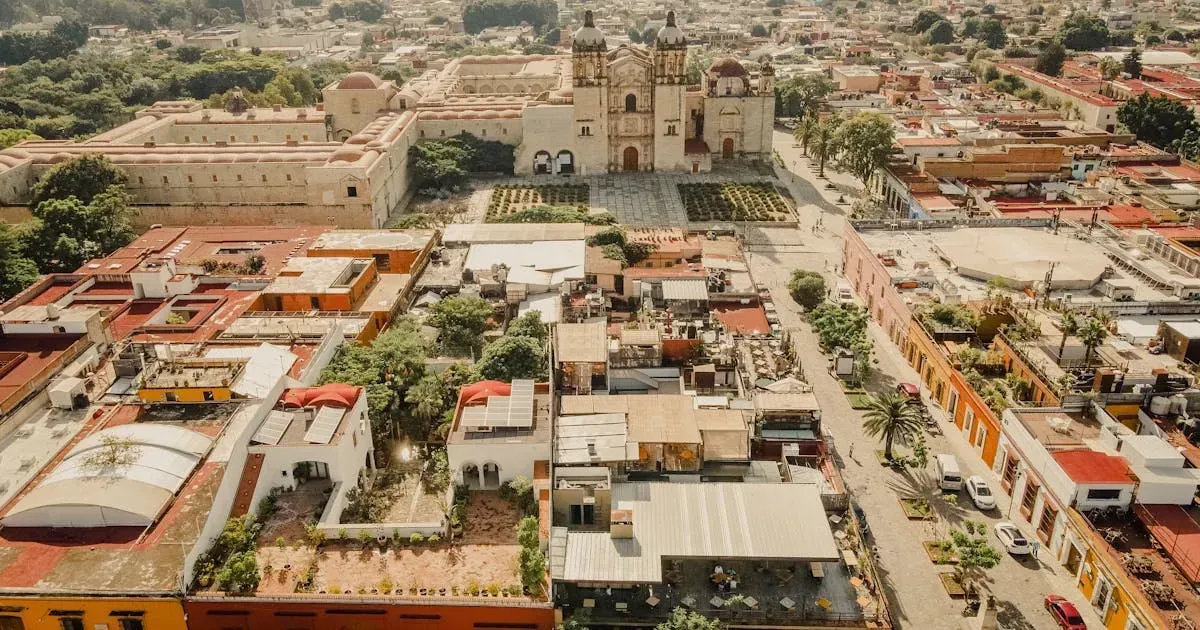
Oaxaca is one of Mexico’s most captivating destinations, a place where pre-Hispanic ruins tower above misty valleys, artisan markets overflow with hand-carved alebrijes, and every meal feels like a revelation. Whether you are a first-time visitor or a returning traveler, this guide covers everything you need to plan an unforgettable trip to Oaxaca City and the surrounding state.
Why Visit Oaxaca?
Oaxaca (pronounced “wah-HAH-kah”) is the capital of the state of Oaxaca in southern Mexico. UNESCO designated the historic center a World Heritage Site in 1987, recognizing both the colonial architecture and the nearby archaeological zone of Monte Alban. But the city’s appeal goes far beyond monuments. It is widely regarded as the culinary capital of Mexico, home to seven varieties of mole, mezcal distilleries, and one of the world’s most celebrated food scenes. The state is also the most ethnically diverse in Mexico, with 16 recognized indigenous groups whose languages, crafts, and traditions are woven into everyday life.
Oaxaca sits at roughly 1,550 meters (5,085 feet) above sea level in a temperate valley surrounded by the Sierra Madre del Sur mountains. The altitude gives it a pleasant climate year-round, with warm days and cool evenings that make exploring on foot a genuine pleasure.
Top Attractions in Oaxaca City
Templo de Santo Domingo de Guzmán
This 16th-century Dominican church is the crown jewel of Oaxacan architecture. Step inside and you will find an interior covered in gold leaf, intricate stucco work, and a family tree of Santo Domingo de Guzmán stretching across the ceiling. The adjoining former monastery houses the Museo de las Culturas de Oaxaca, where Tomb 7 treasures from Monte Alban are on display, including Mixtec gold jewelry that rivals anything in a European museum.
Tip: Visit in the late afternoon when the green cantera stone facade glows in the golden hour light.
Zócalo and Alameda de León
The main plaza, or Zócalo, is the heartbeat of Oaxaca City. Lined with cafes, restaurants, and shaded by towering laurel trees, it is the place where locals and visitors gather to people-watch, listen to live music, and enjoy a cup of Oaxacan hot chocolate. The adjacent Alameda de León hosts a weekend artisan market and is flanked by the Cathedral of Oaxaca, completed in 1733.
Mercado 20 de Noviembre and Mercado Benito Juárez
These twin markets sit a block apart in the city center and together form one of the most exciting market experiences in all of Mexico. Mercado 20 de Noviembre is famous for its Pasillo de Humo (“Smoke Alley”), where vendors grill tasajo (dried beef), chorizo, and cecina over open flames. Mercado Benito Juárez is the place to buy chocolate, mole paste, chapulines (grasshoppers), mezcal, and handwoven textiles.
Budget tip: A full meal at Mercado 20 de Noviembre costs roughly 80-150 MXN (about $4-8 USD), making it one of the best food values in the city.
Andador Turístico (Pedestrian Street)
This car-free walkway connects the Zócalo to the Templo de Santo Domingo, running along Calle Macedonio Alcalá. It is lined with galleries, mezcal bars, boutique shops, and street performers. Walking from end to end takes about 15 minutes, but you will want far longer to explore the side streets branching off it.
Museo Textil de Oaxaca
Oaxaca has one of the richest textile traditions in the Americas, and this free museum showcases both historic and contemporary works. Rotating exhibitions highlight techniques like backstrap loom weaving, natural dyeing with cochineal and indigo, and the artistry of the huipil, the traditional blouse worn by indigenous women.
Ethnobotanical Garden (Jardín Etnobotánico)
Located behind Santo Domingo, this garden can only be visited on a guided tour (in English or Spanish). The two-hectare space showcases the extraordinary plant diversity of Oaxaca, including towering columnar cacti, agave species used for mezcal production, and medicinal plants still used by traditional healers. Tours run daily except Mondays and cost about 100 MXN ($5 USD).
Oaxaca’s Best Neighborhoods
Centro Histórico
The colonial core is where most visitors spend the majority of their time. Centuries-old buildings made from green cantera stone house restaurants, galleries, and boutique hotels. It is walkable, vibrant, and packed with things to see. Staying here puts you within walking distance of nearly every major attraction.
Jalatlaco
Just east of the center, Jalatlaco is a former working-class barrio that has become one of Oaxaca’s trendiest neighborhoods. Colorful facades, street art, independent coffee shops, and small-batch mezcal bars give it a bohemian feel. It is quieter than the center while still being a short walk away.
Xochimilco
North of the center, Xochimilco (not to be confused with Mexico City’s Xochimilco) is a residential neighborhood with a growing number of restaurants, galleries, and guesthouses. It has a more local, lived-in feel and is a good choice for travelers who prefer a slower pace.
Reforma
West of the center, Reforma offers a mix of residential calm and easy access to the city. You will find fewer tourists, more neighborhood fondas (family-run restaurants), and slightly lower accommodation prices.
The Oaxacan Food Scene
Oaxaca is routinely named one of the world’s top food destinations, and for good reason. The cuisine is built on corn, chiles, chocolate, and centuries of indigenous tradition.
Must-Try Dishes
- Mole: Oaxaca is called “the land of seven moles.” The most famous is mole negro, a complex sauce made with over 30 ingredients including chocolate, chiles, and charred tortilla. Other varieties include coloradito, amarillo, verde, chichilo, manchamanteles, and rojo.
- Tlayudas: Often called “Oaxacan pizza,” these are large, crispy tortillas topped with asiento (unrefined pork lard), black beans, quesillo (Oaxacan string cheese), and grilled meat. Find the best ones at street stalls after dark.
- Chapulines: Toasted grasshoppers seasoned with garlic, lime, and chile. They are crunchy, savory, and surprisingly addictive once you get past the initial hesitation.
- Tamales oaxaqueños: Wrapped in banana leaves rather than corn husks, these tamales are softer and more aromatic than their northern Mexican counterparts. The mole negro version is essential.
- Tejate: A pre-Hispanic cold drink made from cacao, mamey seed, and maize, served from large clay pots in the market. It is slightly sweet, nutty, and utterly refreshing.
Where to Eat
- Markets: Mercado 20 de Noviembre and the Central de Abastos (the largest market in Oaxaca, slightly outside the center) are where locals eat.
- Street food: Tlayuda stands appear along Calle Mina and around the markets after 8 PM.
- Restaurants: For a refined take on traditional cuisine, look for restaurants run by Oaxacan chefs who focus on local ingredients and ancestral techniques.
- Cooking classes: Several operators offer half-day cooking classes that start with a market tour and end with a multi-course meal you prepare yourself. Prices range from 1,200-2,500 MXN ($65-135 USD).
Mezcal
Oaxaca produces roughly 90% of Mexico’s mezcal. Visit a mezcalería (mezcal bar) in the city to sample espadin, tobalá, cuishe, and other agave varieties. For a deeper experience, arrange a day trip to a palenque (artisanal distillery) in Santiago Matatlán, known as the “world capital of mezcal,” about 50 kilometers (31 miles) southeast of the city.
Best Day Trips from Oaxaca
Monte Albán
The ancient Zapotec capital sits on a flattened mountaintop just 9 kilometers (5.6 miles) from the city center. Founded around 500 BCE, it was one of Mesoamerica’s earliest cities and a major power for over a thousand years. The site includes pyramids, ball courts, an observatory, and panoramic views of the valley. Allow 2-3 hours for the visit. Admission is 90 MXN ($5 USD). Collective vans depart from the Hotel Rivera del Ángel downtown.
Hierve el Agua
These “petrified waterfalls” are mineral-encrusted rock formations that look like frozen cascades, created over millennia by mineral-rich spring water. At the top, you can swim in shallow infinity pools overlooking the valley. It is about 70 kilometers (43 miles) from the city, and the drive takes roughly 1.5 hours. Most visitors combine the trip with stops in Mitla and a mezcal tasting.
Mitla
Known as the “Place of the Dead” in Nahuatl, Mitla was a major Zapotec religious center. Its most striking feature is the geometric fretwork (grecas) carved into its stone walls, patterns so precise they look machine-made. Mitla is about 46 kilometers (29 miles) east of Oaxaca City and can easily be combined with Hierve el Agua.
Teotitlán del Valle
This Zapotec village is famous for its handwoven wool rugs, colored with natural dyes like cochineal, indigo, and pomegranate. You can visit family workshops, watch the weaving process, and buy directly from the artisans. Prices for a small rug start around 500 MXN ($27 USD), with larger, more intricate pieces running into the thousands.
San Bartolo Coyotepec
Home to the famous barro negro (black pottery) tradition. Visit Doña Rosa’s original workshop to see how artisans shape and polish the distinctive black clay. The village is about 12 kilometers (7.5 miles) south of the city.
When to Visit Oaxaca
Best Overall: October through April
The dry season runs from roughly October through April, with clear skies and comfortable temperatures between 18-28°C (64-82°F). This is the most popular time to visit. For a detailed breakdown, see our month-by-month Oaxaca weather guide.
Best for Festivals
- Guelaguetza (late July): Oaxaca’s largest festival celebrates the state’s indigenous cultures through dance, music, and traditional costumes. It takes place on the last two Mondays of July at the Cerro del Fortín amphitheater. Book accommodation at least two months in advance.
- Day of the Dead (late October - early November): Oaxaca is one of the most atmospheric places in Mexico to experience Día de los Muertos. Cemeteries fill with marigolds and candles, and elaborate sand tapestries (tapetes de arena) appear across the city.
- Noche de Rábanos (December 23): The Night of the Radishes is a unique Oaxacan tradition where artisans carve enormous radishes into elaborate scenes and compete for prizes in the Zócalo.
Budget Season: May through September
The rainy season brings lower prices and fewer crowds. Rain typically falls in short, heavy afternoon showers, leaving mornings clear for sightseeing. Temperatures are slightly warmer but still comfortable.
Getting to Oaxaca
By Air
Oaxaca’s Xoxocotlán International Airport (OAX) receives direct flights from Mexico City (1 hour), Cancún, Guadalajara, Tijuana, and several U.S. cities including Houston, Dallas, and Los Angeles on seasonal routes. From the U.S., the most common routing is through Mexico City.
From the airport to the city center is about 8 kilometers (5 miles). Authorized taxi vouchers at the airport cost around 200-250 MXN ($11-14 USD). Uber also operates in Oaxaca.
By Bus
First-class ADO buses connect Oaxaca City to Mexico City (roughly 6 hours), Puebla (4.5 hours), and the Oaxacan coast. The ADO station is on Calzada Niños Héroes de Chapultepec, about 1 kilometer northeast of the Zócalo. Book tickets online at ado.com.mx for the best prices, typically 600-900 MXN ($32-49 USD) for Mexico City to Oaxaca.
By Car
Driving from Mexico City takes about 5-6 hours via the toll highway (autopista) through Puebla. The road is well-maintained but winding through the mountains. Toll costs add up to roughly 700 MXN ($38 USD) one way.
Safety in Oaxaca
Oaxaca City is widely considered one of the safest cities in Mexico for tourists. The historic center and surrounding neighborhoods are walkable day and night, with a visible police presence around the Zócalo and major attractions. Common-sense precautions apply: keep valuables secure, use ATMs inside banks, and avoid flashing expensive jewelry or electronics.
For detailed safety information, including neighborhood-by-neighborhood breakdowns and tips for solo and female travelers, see our complete safety guide.
Budget Guide
Oaxaca is one of Mexico’s most affordable travel destinations. Here is a rough daily budget breakdown:
Budget Traveler: 600-1,000 MXN ($32-54 USD/day)
- Hostel dorm bed: 200-350 MXN ($11-19 USD)
- Market meals and street food: 200-350 MXN ($11-19 USD)
- Local transport and admission fees: 100-200 MXN ($5-11 USD)
Mid-Range Traveler: 1,500-3,000 MXN ($81-162 USD/day)
- Boutique hotel or private Airbnb: 800-1,500 MXN ($43-81 USD)
- Mix of restaurants and market meals: 400-800 MXN ($22-43 USD)
- Day trip and activities: 300-700 MXN ($16-38 USD)
Luxury Traveler: 5,000+ MXN ($270+ USD/day)
- Upscale hotel: 3,000-8,000 MXN ($162-432 USD)
- Fine dining: 1,000-2,000 MXN ($54-108 USD)
- Private tours and experiences: 1,500+ MXN ($81+ USD)
Tipping: In restaurants, 10-15% is standard. Tip tour guides 50-100 MXN ($3-5 USD) per person. Market vendors and street food stalls do not expect tips.
Sample Itineraries
3 Days in Oaxaca (Quick Highlights)
Day 1 — The City: Walk the Andador Turístico from the Zócalo to Santo Domingo. Visit the Museo de las Culturas. Lunch at Mercado 20 de Noviembre. Afternoon at the Ethnobotanical Garden (book in advance). Evening mezcal tasting and dinner at a traditional restaurant.
Day 2 — Monte Albán and Crafts: Morning visit to Monte Albán (arrive early to beat the heat). Return for lunch, then visit San Bartolo Coyotepec (black pottery) or Teotitlán del Valle (rugs) in the afternoon. Tlayudas for dinner at a street stall.
Day 3 — Hierve el Agua and Mitla: Full-day trip combining Mitla, a mezcal distillery in Santiago Matatlán, and Hierve el Agua. Return for a farewell dinner featuring mole negro.
5 Days in Oaxaca (The Full Experience)
Follow the 3-day itinerary above, then add:
Day 4 — Cooking and Culture: Morning cooking class starting with a market tour. Afternoon visit to the Museo Textil and Rufino Tamayo Museum. Evening walk through Jalatlaco.
Day 5 — Markets and Relaxation: Visit the massive Central de Abastos market (go early). Afternoon at the Museo de Arte Contemporáneo. Final evening at a rooftop mezcal bar overlooking the city.
7 Days in Oaxaca (Deep Dive)
Follow the 5-day itinerary above, then add:
Day 6 — Sierra Norte: Day trip to the Pueblos Mancomunados in the Sierra Norte mountains for hiking through cloud forests. Communities like Cuajimoloyas and Benito Juárez offer guided trails with stunning views. Pack layers as temperatures drop at higher elevations.
Day 7 — Slow Day: Revisit your favorite market for last-minute shopping. Take a chocolate-making workshop. Enjoy a long lunch at a traditional fonda. Walk through the quieter corners of Xochimilco and Reforma before a final sunset on a rooftop.
Practical Tips
- Language: Spanish is the primary language. English is spoken at tourist-oriented businesses but not widely elsewhere. Learning basic Spanish phrases will enhance your experience significantly.
- Currency: Mexican peso (MXN). Most restaurants and shops accept credit cards, but carry cash for markets, street food, and small villages. ATMs are widely available in the city center.
- Altitude: At 1,550 meters (5,085 feet), some travelers experience mild altitude effects. Stay hydrated and take it easy on your first day.
- Water: Do not drink tap water. Bottled or purified water is available everywhere. Restaurants use purified water and ice.
- Walking shoes: The streets are cobblestoned and uneven. Sturdy, comfortable shoes are essential.
- SIM cards: Telcel has the best coverage in Oaxaca state. You can buy a SIM card at any OXXO convenience store for about 100-200 MXN ($5-11 USD) with data included.
- Mezcal etiquette: Sip, do not shoot. Good mezcal is meant to be savored. Kiss the glass, let it touch your lips, and take small sips to appreciate the complexity.
Final Thoughts
Oaxaca rewards the curious traveler. It is a place where ancient traditions and modern creativity coexist, where a meal can be a life-changing experience, and where every village in the surrounding valleys seems to have its own unique craft, festival, or recipe. For detailed day-by-day planning, see our Oaxaca itinerary guide for 3, 5, or 7 days. If you are considering working remotely, our digital nomad guide covers coworking spaces and cost of living. Come with an open schedule and an empty stomach, and Oaxaca will take care of the rest.