
10 Best Day Trips from Oaxaca City (2025)
Oaxaca City could keep you busy for weeks, but some of the most extraordinary experiences in the state are found in the surrounding valleys, mountains, and villages. From ancient Zapotec ruins to petrified waterfalls, artisan workshops, and mezcal distilleries, the day trip options are exceptionally diverse — and reaching them is straightforward and affordable. For help planning your overall itinerary, see our Oaxaca travel guide.
This guide covers the ten best day trips from Oaxaca City with transport options, costs, and practical tips for each.
1. Monte Alban
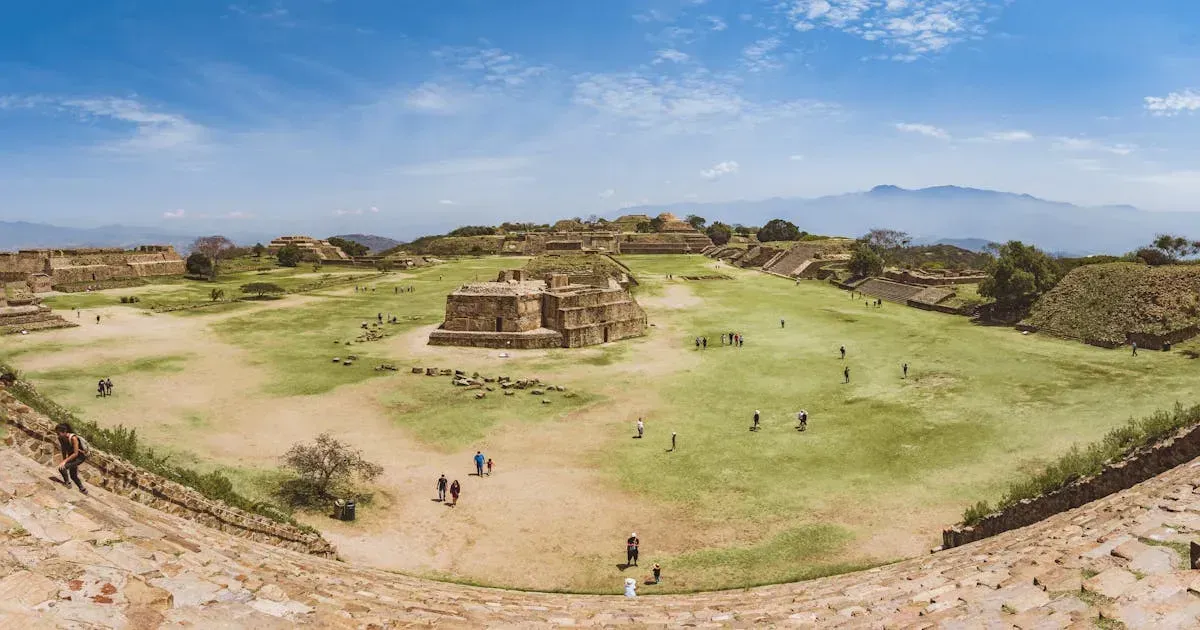
No visit to Oaxaca is complete without seeing Monte Alban, the ancient Zapotec capital perched on a mountaintop at 1,940 meters (6,365 feet). This UNESCO World Heritage Site offers impressive ruins and sweeping 360-degree views of the valleys.
What to See
The Great Plaza is the centerpiece — a leveled platform roughly 300 by 150 meters (984 by 492 feet), surrounded by pyramids, temples, and an observatory. The Dancers Gallery features carved stone slabs depicting figures that archaeologists believe represent conquered enemies. Building J, an arrow-shaped structure, is thought to have served as an astronomical observatory. The on-site museum houses artifacts including jewelry, pottery, and carved bones from the hillside tombs.
Getting There
Monte Alban is located just 10 kilometers (6 miles) west of Oaxaca City center. The easiest options are:
- Tourist shuttle: Frequent departures from Hotel Rivera del Angel on Mina Street. Round-trip tickets cost approximately 80 to 100 MXN (approximately 5 to 6 USD), with departures every 30 minutes in the morning. The shuttle gives you two hours at the site before the return trip.
- Taxi: A one-way taxi from the city center costs approximately 80 to 120 MXN (approximately 5 to 7 USD).
- Organized tour: Half-day tours including a guide cost 400 to 800 MXN (approximately 23 to 47 USD) per person.
Practical Details
- Entrance fee: 90 MXN (approximately 5 USD). Free on Sundays for Mexican residents.
- Hours: 8:00 AM to 5:00 PM daily.
- Time needed: 2 to 3 hours for a thorough visit.
- Tips: Arrive early to beat the heat and the tour bus crowds. Bring sunscreen, a hat, and water — there is virtually no shade on the Great Plaza. Wear comfortable walking shoes, as the terrain is uneven.
2. Hierve el Agua
Hierve el Agua is one of Oaxaca’s most photographed natural wonders — petrified mineral waterfalls cascading down a cliff face, with natural infinity pools offering valley views. Mineral-rich spring water has deposited calcium carbonate for thousands of years, creating formations that look like frozen waterfalls.
What to See and Do
The two main “waterfalls” can be viewed from above or reached via a trail (approximately 30 to 45 minutes each way). The natural pools at the top are shallow and safe for wading, with spectacular views, especially in the early morning mist.
Getting There
Hierve el Agua is located approximately 70 kilometers (43 miles) east of Oaxaca City, near the town of San Lorenzo Albarradas. The last stretch of road is unpaved and winding.
- Organized tour: The most convenient option. Full-day tours that combine Hierve el Agua with Mitla, a mezcal distillery, and the Tule tree cost 300 to 600 MXN (approximately 18 to 35 USD) per person. These are widely available through hotels and travel agencies in Oaxaca City.
- Shared van/colectivo: Take a colectivo to Mitla from the second-class bus station (approximately 30 MXN or 2 USD), then a shared truck or camioneta from Mitla to Hierve el Agua (approximately 60 to 80 MXN or 3.50 to 5 USD each way). Service is more frequent on weekends.
- Rental car: The drive takes approximately 1.5 to 2 hours. The paved road to Mitla is straightforward, but the final stretch to Hierve el Agua is a steep, unpaved mountain road that requires careful driving.
Practical Details
- Entrance fee: 25 to 50 MXN (approximately 1.50 to 3 USD), varying by community management.
- Time needed: 2 to 4 hours, depending on whether you hike to the base of the falls.
- Tips: Bring a swimsuit for the natural pools. Wear sturdy shoes if you plan to hike to the bottom. The site can get crowded on weekends and holidays, so weekday visits are more peaceful.
3. Mitla and the Tule Tree (Combo Trip)
These two sites are conveniently located along the same road east of Oaxaca City and are almost always visited together, often in combination with a mezcal distillery and Hierve el Agua.
El Tule Tree
The Arbol del Tule in the town of Santa Maria del Tule is a Montezuma cypress (ahuehuete) with the stoutest trunk of any tree in the world. Its circumference measures approximately 42 meters (138 feet), and it is estimated to be between 1,400 and 3,000 years old, depending on which expert you ask. Standing in front of this ancient giant is a humbling experience — the trunk is so massive and gnarled that locals have identified shapes resembling animals and faces in its bark.
- Location: 12 kilometers (7.5 miles) east of Oaxaca City.
- Entrance fee: 10 MXN (under 1 USD).
- Time needed: 20 to 30 minutes.
Mitla
Known as the “Place of the Dead,” Mitla was a major Zapotec and Mixtec ceremonial center. Unlike Monte Alban’s grand scale, Mitla captivates through extraordinary geometric stonework — intricate mosaic fretwork made from thousands of stone pieces fitted without mortar, considered some of the finest pre-Columbian architecture in the Americas.
A column in the Patio of the Columns invites visitors to embrace it — legend says the gap reveals how many years of life remain.
- Location: 46 kilometers (29 miles) east of Oaxaca City.
- Entrance fee: 90 MXN (approximately 5 USD).
- Time needed: 1 to 1.5 hours.
Getting There
- Colectivo: Shared vans to Mitla depart regularly from the second-class bus station, stopping at El Tule en route. The fare is approximately 25 to 35 MXN (approximately 1.50 to 2 USD) each way.
- Organized tour: Combo tours covering both sites plus a mezcal stop run 300 to 500 MXN (approximately 18 to 30 USD) per person.
4. Teotitlan del Valle
This Zapotec town, about 30 kilometers (19 miles) east of Oaxaca City, is Mexico’s most important center for handwoven wool textiles. Families have woven on backstrap and pedal looms for generations using techniques dating to the pre-Hispanic era.
What to See and Do
Visit family workshops to watch the process — carding wool, dyeing with natural pigments (cochineal for reds, indigo for blues, pomegranate for yellows), and weaving on traditional looms. Demonstrations are usually free, though purchases are appreciated. The 16th-century church built atop a Zapotec temple is also worth seeing.
Shopping
Prices for handwoven textiles vary widely based on size, complexity, and the reputation of the weaver. Small placemats or coasters start at around 100 to 200 MXN (approximately 6 to 12 USD), while a large, intricately designed rug can cost 5,000 to 30,000 MXN (approximately 295 to 1,765 USD) or more.
Getting There
- Colectivo: From the second-class bus station, approximately 25 MXN (approximately 1.50 USD), 40 minutes.
- Taxi: Approximately 200 to 300 MXN (approximately 12 to 18 USD) one way.
- Often combined with visits to Mitla and El Tule on organized tours.
5. San Bartolo Coyotepec (Black Pottery)
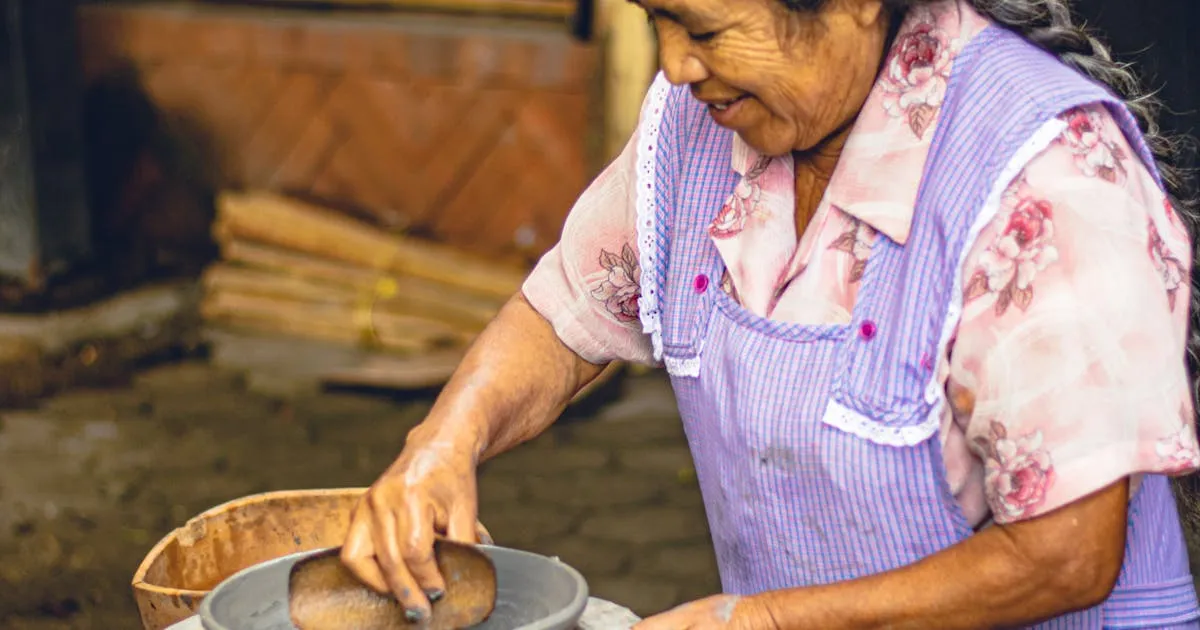
San Bartolo Coyotepec, located about 12 kilometers (7.5 miles) south of Oaxaca City, is the birthplace of Oaxaca’s famous barro negro (black pottery). This distinctive pottery, with its characteristic metallic black sheen, has been produced here since pre-Hispanic times, though the modern polished technique was developed by Dona Rosa Real de Nieto in the 1950s.
What to See and Do
Visit the Dona Rosa workshop and museum, where family members continue her legacy and demonstrate the techniques of shaping, polishing with quartz stones, and firing in sealed wood-burning kilns. The entire process is done by hand without a potter’s wheel or artificial dyes.
Dozens of other family workshops line the main road, each with their own style and specialties — from delicate figurines and candle holders to large decorative vases and mezcal cups.
Getting There
- Colectivo: From the Abastos market area, approximately 10 to 15 MXN (under 1 USD), 20 minutes.
- Taxi: Approximately 100 to 150 MXN (approximately 6 to 9 USD) one way.
- Time needed: 1 to 2 hours.
6. The Mezcal Route (Santiago Matatlan and Surrounding Distilleries)
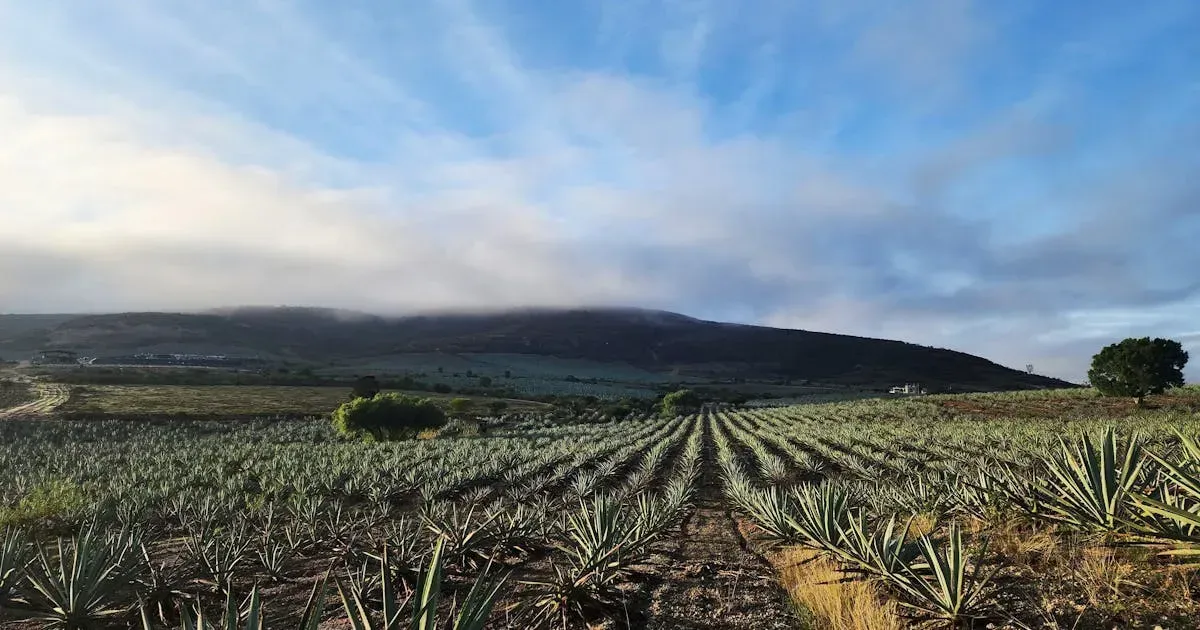
The Oaxaca valleys east of the city are dotted with mezcal palenques (distilleries), and visiting one or several is one of the most enjoyable day trip experiences available. Santiago Matatlan, about 50 kilometers (31 miles) southeast of Oaxaca City, proclaims itself the “World Capital of Mezcal” and has the highest concentration of palenques.
What to Expect
A typical palenque visit walks you through the entire production process: the earthen pit where agave hearts (pinas) are roasted over hot rocks for three to five days, the stone tahona pulled by a horse or donkey that crushes the roasted agave, the wooden vats where the juice ferments naturally, and the copper or clay pot stills where the spirit is distilled.
You will learn the difference between espadin (the most common agave variety, which matures in 7 to 8 years) and wild varieties like tobala, madrecuishe, and arroqueno (which can take 15 to 25 years to mature). The tasting at the end typically includes three to six different mezcals, and you can purchase bottles directly from the producer at prices well below retail.
Getting There
- Organized tour: Half-day mezcal tours cost 500 to 1,000 MXN (approximately 30 to 60 USD) per person, typically visiting two to three palenques. Full-day tours that combine mezcal with Mitla and other sites cost 400 to 800 MXN (approximately 23 to 47 USD).
- Colectivo to Matatlan: Approximately 40 MXN (approximately 2.50 USD) from the second-class bus station.
- Important: If taking public transport, you will need to walk or arrange local transport between palenques, as they are spread out along rural roads.
7. Sierra Norte (Pueblos Mancomunados)
The Sierra Norte mountains are home to the Pueblos Mancomunados, a network of Zapotec communities offering hiking, mountain biking, and birdwatching in cloud forests at 2,500 to 3,200 meters (8,200 to 10,500 feet).
What to Do
The trail system spans over 100 kilometers (62 miles). Day hikers can tackle the Benito Juarez to Cuajimoloyas trail (approximately 8 kilometers or 5 miles) through cloud forest, with chances of spotting quetzals and other endemic birds. Mountain bike rentals cost 150 to 250 MXN (approximately 9 to 15 USD) per day.
Getting There
- Shared van: Vans to Benito Juarez and Cuajimoloyas depart from a terminal near the Abastos market. The ride takes approximately 1.5 to 2 hours and costs around 60 to 80 MXN (approximately 3.50 to 5 USD).
- Organized tour: Day trips cost 600 to 1,200 MXN (approximately 35 to 70 USD) per person, including transportation and a guide.
- Tips: Bring warm layers — temperatures at these elevations can drop to 5 degrees Celsius (41 degrees Fahrenheit) or lower, even during the day. The rainy season (June through October) brings fog and mud, which adds atmosphere but makes trails slippery.
8. Zaachila Market (Thursday Market)
The Thursday market in Zaachila, a small town 17 kilometers (11 miles) south of Oaxaca City, is one of the most authentic market experiences in the Oaxaca valleys. Unlike the tourist-oriented markets in the city, Zaachila’s weekly tianguis is where local Zapotec communities come to buy and sell livestock, produce, prepared foods, clothing, and household goods.
What to See and Do
The market sprawls through the town’s central streets and is organized roughly by sections — fruits and vegetables in one area, live animals (chickens, turkeys, goats) in another, prepared foods in yet another. The food section is the highlight for most visitors, with vendors serving fresh barbacoa (pit-roasted lamb or goat), tamales, mole, and other traditional dishes cooked on the spot.
The nearby Zaachila archaeological zone, though small, is worth a brief visit. Two tombs with original stucco reliefs were discovered here and are open to visitors.
Getting There
- Colectivo: From the Abastos market area, approximately 15 MXN (under 1 USD), 30 minutes.
- Taxi: Approximately 120 to 180 MXN (approximately 7 to 10 USD) one way.
- Important: The market only happens on Thursdays. Arrive before noon for the full experience.
9. San Martin Tilcajete (Alebrijes)
San Martin Tilcajete, about 23 kilometers (14 miles) south of Oaxaca City, is one of the two main villages known for producing alebrijes — the fantastical, brightly painted wooden creatures that have become one of Mexico’s most recognized folk art forms. (The other village is San Antonio Arrazola, which is even closer to the city.)
What to See and Do
Family workshops in Tilcajete welcome visitors and demonstrate the labor-intensive process of creating alebrijes. Artisans carve figures from copal wood using machetes and knives, then sand them smooth and apply intricate painted designs using the finest brushes. A single large piece can take weeks or even months to complete.
You can watch carvers and painters at work, ask questions, and purchase directly from the artists. Prices range from 50 MXN (approximately 3 USD) for small, simple figures to 50,000 MXN (approximately 2,940 USD) or more for museum-quality pieces by master artisans.
Getting There
- Colectivo: From the Abastos market area, approximately 15 to 20 MXN (approximately 1 to 1.20 USD), 30 minutes.
- Often combined with visits to San Bartolo Coyotepec and Ocotlan on organized craft village tours, which cost 400 to 800 MXN (approximately 23 to 47 USD) per person.
10. Cuilapam de Guerrero (Former Monastery)
The Ex-Convento de Santiago Apostol in Cuilapam de Guerrero, just 12 kilometers (7.5 miles) south of Oaxaca City, is one of the most dramatic architectural ruins in the state. This massive Dominican monastery was begun in 1555 but never completed, leaving a roofless basilica nave that is both haunting and photogenic.
What to See
The open-air nave, with its massive stone columns and arches open to the sky, is the main attraction. The complex also includes a functioning chapel, cloisters, and the spot where independence hero Vicente Guerrero was executed in 1831. The architectural mix of Spanish and indigenous elements reflects the cultural collision of the colonial era.
Getting There
- Colectivo: From the Abastos market, approximately 10 MXN (under 1 USD), 20 minutes.
- Taxi: Approximately 80 to 120 MXN (approximately 5 to 7 USD).
- Entrance fee: 55 MXN (approximately 3 USD).
- Time needed: 45 minutes to 1 hour.
- Easily combined with visits to San Bartolo Coyotepec and Zaachila.
Planning Tips for Day Trips
Tours vs. Independent Travel
Organized tours are convenient and include a guide, air-conditioned transport, and multiple sites in one day. Independent travel using colectivos is cheaper and more flexible but requires patience and basic Spanish. A middle-ground option is hiring a private driver for 1,500 to 2,500 MXN (approximately 90 to 145 USD) per day — your hotel can arrange this.
Combining Destinations
- East Valley Route: El Tule + Teotitlan del Valle + Mitla + Mezcal distillery + Hierve el Agua (full day)
- South Valley Route: San Bartolo Coyotepec + San Martin Tilcajete + Zaachila market (Thursday) + Cuilapam monastery
- Mountain Route: Sierra Norte works best as a standalone day trip due to travel time
What to Bring
Sunscreen, a hat, a reusable water bottle, cash in small denominations, comfortable walking shoes, and a light jacket for mountain destinations. The day trips from Oaxaca City are doorways into living cultures that have maintained their traditions and artisanal skills for centuries, adding depth to your understanding of Oaxaca that no city visit alone can provide. For more on what to bring back, see our Oaxaca shopping guide, and check the best time to visit Oaxaca to plan around weather and festivals.