
Surfing Puerto Escondido: Complete Guide
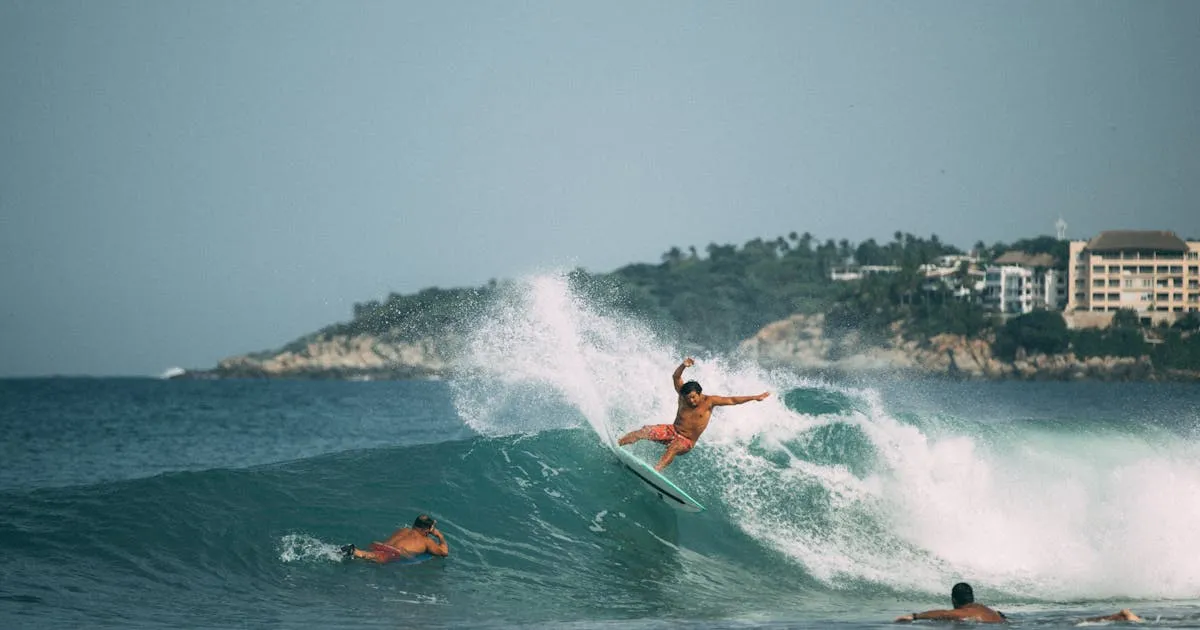
Puerto Escondido has earned its place among the world’s great surf destinations for one simple reason: it consistently delivers powerful, well-formed waves across a range of breaks suitable for everyone from first-time learners to professional big-wave riders. The centerpiece is Zicatela Beach, home to the “Mexican Pipeline” — one of the heaviest beach breaks on Earth. But Puerto Escondido’s surf appeal extends far beyond Zicatela. Within a 10-kilometer (6-mile) stretch of coastline, you will find mellow point breaks for beginners, intermediate reef setups for progression, and empty beach breaks for those willing to explore.
This guide covers every surf break in and around Puerto Escondido, the best seasons to visit, surf schools, board rental, safety considerations, and where to stay. For a quick overview of the top breaks, also see our 5 best surf spots in Puerto Escondido.
The Surf Breaks
Zicatela Beach — The Mexican Pipeline
Level: Expert only | Wave type: Beach break | Direction: Left and right | Best tide: Low to mid | Crowd: Moderate to heavy during swells
Zicatela is the reason Puerto Escondido appears in every serious surf publication on Earth. This beach break produces hollow, powerful, fast-breaking barrels that compare favorably with Pipeline in Hawaii — hence the nickname. The waves break over a shallow sand bottom that shifts with the seasons, creating peaks that can be both thrilling and extremely dangerous.
During the main swell season (May through September), Zicatela regularly produces waves in the 2-5 meter (6-16 foot) range, with occasional swells pushing well beyond 6 meters (20 feet). Even on smaller days, the power and speed of Zicatela’s waves demand respect. The paddle-out can be brutal, the hold-downs are long, and the current is fierce.
Who should surf here: Only experienced surfers with significant ocean knowledge and comfort in heavy, powerful surf. This is not a spot to “try out” if you are an intermediate surfer having a good day. Zicatela has caused serious injuries and fatalities. Respect the wave.
Best time of day: Dawn to 10:00 AM, before the onshore wind picks up. The glassiest sessions are at first light.
Local etiquette: Zicatela has a strong local surfing community. Respect the lineup, do not paddle for waves that are clearly another surfer’s, and be aware that locals have priority on the peak. Hostility toward clueless tourists in the water is real and earned — too many inexperienced surfers have put themselves and others in danger here.
La Punta
Level: Intermediate to advanced | Wave type: Point break | Direction: Left | Best tide: Low to mid | Crowd: High
La Punta offers a beautiful left-hand point break that wraps around the rocky headland at the south end of Zicatela Beach. It is a more forgiving wave than Zicatela but still packs real power on bigger days. The wave typically offers a long, workable face with sections for turns and, on the best swells, well-defined tube sections.
During the swell season, La Punta breaks consistently in the 1-3 meter (3-10 foot) range. Outside of peak season, it can still produce rideable waves in the 0.5-2 meter (2-7 foot) range on the right swell.
Who should surf here: Strong intermediate to advanced surfers. The rocky bottom and shore break require confidence and experience, and the crowd is heavy, especially during peak season and weekends.
Local etiquette: La Punta has a well-established local crew and significant localism. The best waves close to the point are typically taken by locals and long-term residents. Respect the pecking order, sit slightly wider, and earn your waves through patience rather than aggression.
Best time of day: Early morning for the cleanest conditions. Late afternoon sessions can also be excellent as the wind dies down.
Carrizalillo
Level: Beginner to intermediate | Wave type: Beach break (sheltered bay) | Direction: Left and right | Best tide: Low to mid | Crowd: Moderate
Carrizalillo is Puerto Escondido’s best option for beginners and improving intermediates. This small, sheltered bay is accessed via a long stairway (roughly 170 steps) cut into the cliff. The bay’s geometry breaks down incoming swell energy, producing smaller, more manageable waves than the exposed beaches.
Typical waves range from 0.5-1.5 meters (2-5 feet), breaking both left and right over a sandy bottom. The water is calm enough for swimming between sets, and the bay is beautiful — turquoise water framed by rocky cliffs.
Who should surf here: Beginners taking their first lessons, intermediates working on technique, and anyone who wants a mellower session after getting worked at other spots. Several surf schools operate directly on the beach.
Note: While Carrizalillo is the gentlest option in town, it can still produce surprisingly powerful waves when a large south swell hits. Check conditions before assuming it will be small.
Playa Bacocho
Level: Intermediate to advanced | Wave type: Beach break | Direction: Left and right | Best tide: Low to mid | Crowd: Low
Located north of the town center, Bacocho is a long, open beach break that receives full swell exposure. It is less consistent than Zicatela but can produce excellent waves when conditions align. The crowd factor is its biggest advantage — on many days, you can surf here with only a handful of others in the water.
Who should surf here: Intermediate to advanced surfers looking for uncrowded waves and willing to accept less consistency. The currents at Bacocho can be strong, so this is not a beginner spot despite the empty lineup.
La Barra de Colotepec
Level: Intermediate to advanced | Wave type: Beach break with river mouth | Direction: Left and right | Best tide: Low to mid | Crowd: Low
About 20 minutes south of town, La Barra is a beach break at a river mouth that can produce hollow, powerful waves. The setting is beautiful and remote, and the crowds are minimal. However, during the rainy season (June through October), the river connects to the ocean and crocodiles are present in the area — this is not a joke or an exaggeration. During the dry season, the river mouth is typically closed and the hazard is reduced.
Who should surf here: Experienced surfers looking for an adventure and uncrowded waves. Check local conditions and ask about the crocodile situation before heading out.
Surf Seasons
Peak Season: May Through September
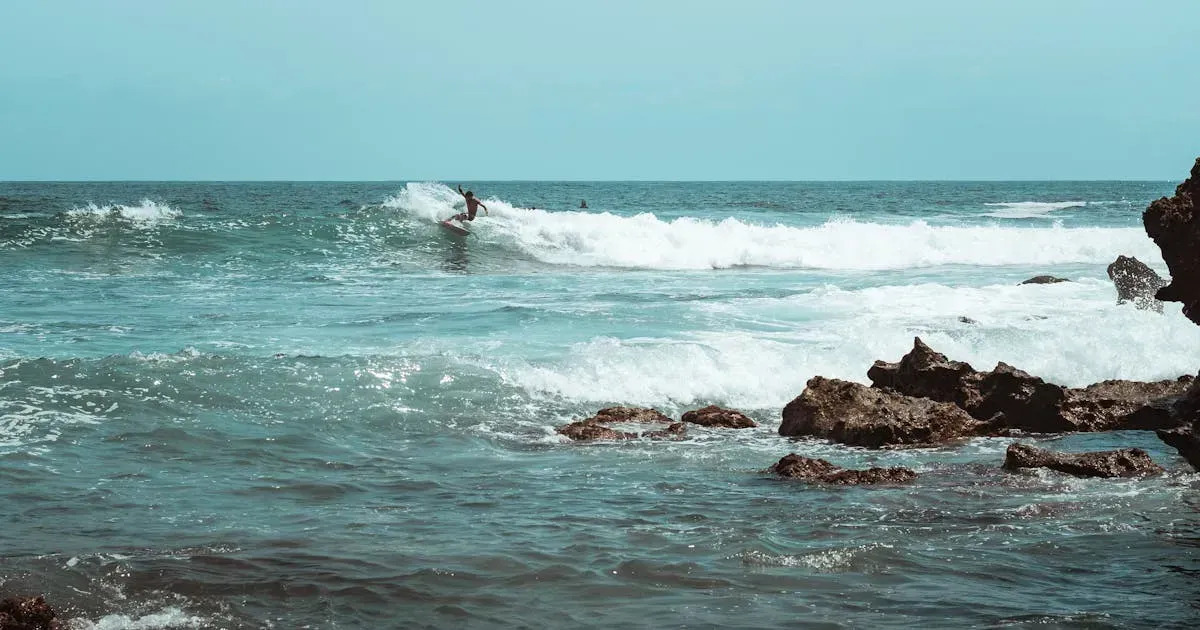
This is when the south and southwest swells generated by storms in the South Pacific light up the Oaxacan coast. Zicatela comes alive during this period, and every break in the area receives consistent, powerful swell. Water temperature is warm (27-30 degrees Celsius / 80-86 degrees Fahrenheit), and you will need nothing more than board shorts or a rash guard.
The biggest swells typically arrive in July and August, when Zicatela can produce waves exceeding 6 meters (20 feet). This is also the time of the major surf competitions.
Downsides: The rainy season is in full effect, with afternoon thunderstorms nearly every day. Onshore winds tend to pick up by mid-morning, making dawn sessions the golden window. The crowd is at its peak, particularly at La Punta and Zicatela.
Shoulder Season: October Through November and March Through April
These transitional months can produce excellent surf with fewer crowds. The swell is less consistent than peak season, but when it arrives, conditions can be exceptional. October and November sometimes receive the tail end of the summer swells, while March and April can pick up early-season south swells.
Water temperature remains comfortable (25-28 degrees Celsius / 77-82 degrees Fahrenheit) and offshore winds are more common, grooming the surf into clean, well-shaped waves.
Low Season: December Through February
North swells from the Pacific can still produce rideable waves, particularly at La Punta and Carrizalillo. Zicatela is generally much smaller during this period, though occasional northwest swells can generate surf. This is the best time for beginners, as the overall wave size is more manageable and the crowds are thinnest.
Water temperature drops slightly (24-26 degrees Celsius / 75-79 degrees Fahrenheit), and a thin wetsuit top or spring suit may be appreciated during early morning sessions.
Surf Schools
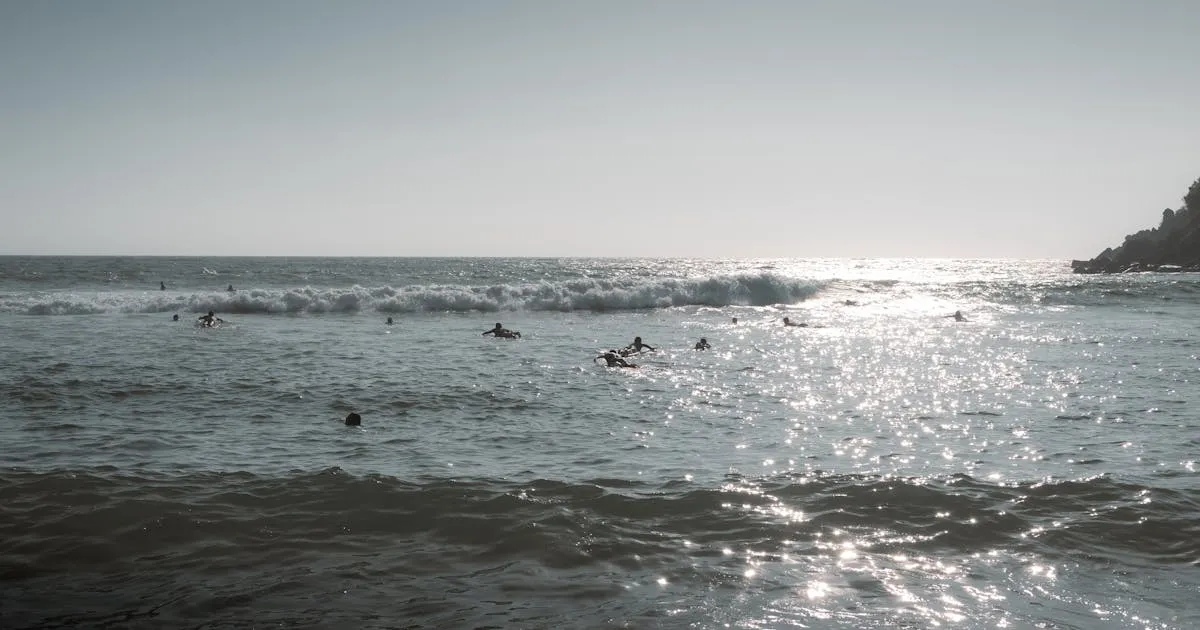
Puerto Escondido has a healthy selection of surf schools catering to all levels. Here is what to expect:
What Lessons Cost
- Group lesson (2 hours, 3-5 students): 600-900 MXN ($33-49 USD) per person, including board and rash guard
- Private lesson (2 hours): 1,200-2,000 MXN ($66-110 USD) per person
- Multi-day packages (3-5 days): 2,500-5,000 MXN ($137-274 USD) per person, with significant savings over individual lessons
What to Look For
- Certified instructors. Look for schools with ISA (International Surfing Association) or equivalent certification.
- Small group sizes. No more than 4-5 students per instructor for group lessons.
- Beach location. Most beginner lessons take place at Carrizalillo or at the calmer end of Zicatela (near the lifeguard towers). Avoid any school that takes absolute beginners into the heavy part of Zicatela.
- Equipment quality. Beginner boards should be large, soft-top foam boards. If a school hands you a short fiberglass board for your first lesson, find a different school.
- Safety briefing. A good school will spend at least 15-20 minutes on land covering ocean safety, rip currents, how to fall, and board handling before you enter the water.
Recommendations
Ask your accommodation for current recommendations, as surf schools open and close frequently. The most established schools have been operating for 5 or more years, maintain a presence on the beach with branded equipment, and have reviews on Google Maps and TripAdvisor. Book in person rather than online when possible — you can meet the instructor, check the equipment, and negotiate rates.
Board Rental
If you are an experienced surfer traveling without a board, rental options are plentiful:
- Soft-top foam boards (for beginners): 200-300 MXN ($11-16 USD) per day
- Shortboards: 300-500 MXN ($16-27 USD) per day
- Longboards and funboards: 350-500 MXN ($19-27 USD) per day
- Weekly rates: Most shops offer discounts of 20-30% for weekly rentals
Rental shops are concentrated along the main road in La Punta and along the Zicatela strip. Inspect any rental board carefully before paying — check for delamination, loose fins, and ding repairs that may not hold up in heavy surf.
If you are planning an extended stay and surf frequently, consider buying a used board from one of the surf shops or from other travelers. Used boards sell for 2,000-6,000 MXN ($110-329 USD) depending on condition and type. You can resell when you leave.
Competitions and Events
Puerto Escondido hosts several competitive surf events that draw international attention:
Puerto Escondido Cup
The most prestigious big-wave event in Mexico, held at Zicatela during the biggest swells of the season (typically July or August). This is a waiting-period contest, meaning it only runs when conditions exceed a minimum size threshold. When it goes, the world’s top big-wave surfers compete in waves that regularly exceed 5-7 meters (16-23 feet). It is a spectacular event to watch from the beach.
Other Events
Various regional and national surf competitions take place throughout the peak season. Check with local surf shops or tourism offices for current schedules. Even informal competitions and expression sessions happen regularly at La Punta when conditions are good.
Safety
Surfing in Puerto Escondido demands respect. The ocean here is powerful, and even experienced surfers can find themselves in trouble.
Rip Currents
Rip currents are present at virtually every beach in Puerto Escondido, particularly at Zicatela and Bacocho. If caught in a rip, do not fight it — swim parallel to the beach until you are out of the current, then swim to shore. If you cannot escape, signal for help and conserve energy.
Shore Break
The shore break at Zicatela is notorious. Waves break directly onto steep, hard-packed sand with minimal water depth. Neck and spinal injuries occur here every season. Never dive headfirst into shallow water, and always check the depth before body-surfing or playing in the shore break.
Marine Life
Stingrays are common in the shallows. Do the “stingray shuffle” (drag your feet along the bottom) when walking in shallow water to avoid stepping on one. Jellyfish are present seasonally, and sea urchins inhabit the rocky areas at La Punta and Carrizalillo. Reef booties are a good investment if you plan to surf rocky breaks.
Sun Exposure
The Oaxacan coast is at roughly 15 degrees north latitude, and the sun is intense year-round. Apply waterproof sunscreen (SPF 50+) liberally and reapply after every session. A rash guard provides additional protection and helps prevent board rash. Zinc oxide for your face is not vanity — it is common sense.
When Not to Surf
Do not surf at unfamiliar breaks alone. Do not surf at Zicatela if you are not an advanced surfer. Do not surf during or immediately after heavy rain, as runoff can carry debris and bacteria into the water. Do not surf at La Barra during the rainy season without local knowledge of the crocodile situation.
Where to Stay for Surfers
Puerto Escondido’s accommodation scene is well-suited to surf travelers, with options ranging from beachfront hostels to boutique hotels.
La Punta Neighborhood
The most popular area for surfers. La Punta has a relaxed, bohemian vibe with abundant hostels, guesthouses, surf camps, and small hotels. For more on this area, see our Zicatela and La Punta neighborhood guide. You are walking distance from the La Punta break and a short walk or taxi ride from Zicatela. Accommodation here ranges from 250-500 MXN ($14-27 USD) per night for a dorm bed to 800-2,500 MXN ($44-137 USD) per night for a private room.
Many hostels and surf camps include board storage, fresh-water showers, and communal kitchens. Some offer surf-and-stay packages that include lessons, board rental, and accommodation.
Zicatela
Staying on Zicatela puts you steps from the Pipeline and close to restaurants, bars, and the main nightlife strip. Hotels and guesthouses along the beachfront range from 600-3,000 MXN ($33-164 USD) per night. The trade-off is that Zicatela is louder and more commercial than La Punta, and the beach itself is not swimmable for non-surfers due to the powerful waves and currents.
Carrizalillo Area
If you are a beginner or prefer a calmer setting, staying near Carrizalillo gives you easy access to the bay and a quieter atmosphere. Boutique hotels and vacation rentals in this area tend to be mid-range to upscale, running 1,000-4,000 MXN ($55-219 USD) per night.
Surf Camps
Dedicated surf camps offer all-inclusive packages that typically include accommodation, daily surf lessons or guided sessions, board rental, breakfast, and airport pickup. Prices range from 5,000-15,000 MXN ($274-823 USD) per week, making them good value if you plan to surf daily.
Gear and Equipment
What to Bring
- Your own board if you can manage the travel logistics. Airlines flying into Puerto Escondido typically charge 1,000-3,000 MXN ($55-164 USD) for a surfboard bag each way. Call your airline in advance to confirm their board policy.
- Reef booties for rocky breaks (La Punta, Carrizalillo)
- Rash guard or lycra top for sun protection
- Waterproof sunscreen (SPF 50+)
- Zinc oxide for face protection
- Wax — bring tropical-grade wax, as the water is warm year-round
- Basic first aid kit with antiseptic for reef cuts
What You Can Buy or Rent Locally
Board repair services are available in La Punta and Zicatela. Wax, leashes, fin sets, and basic accessories are sold at multiple surf shops. Sunscreen brands vary — bring your preferred brand from home if you are particular.
Beyond the Surf
Puerto Escondido offers plenty beyond the waves. For a full list, see our things to do in Puerto Escondido guide. On flat days or rest days, consider:
- Snorkeling at Carrizalillo or Puerto Angelito — calm, clear water with tropical fish
- Bioluminescent lagoon tour at Manialtepec — a night boat trip through a lagoon that glows with bioluminescent plankton (seasonal, best July through March)
- Turtle release at Playa Bacocho — participate in releasing baby sea turtles (typically available August through January)
- Day trip to Chacahua lagoon — mangroves, birdwatching, and uncrowded beach breaks
- Mezcal tasting — several bars in La Punta and Zicatela offer guided tastings of artisanal mezcals
Getting to Puerto Escondido
Puerto Escondido has its own international airport (PXM) with direct flights from Mexico City (approximately 1 hour), Oaxaca City (25 minutes), and seasonal connections to other Mexican cities. Flights from Mexico City are the most frequent and affordable, with round-trip fares starting around 2,500-4,000 MXN ($137-219 USD) if booked in advance.
If you are already in Oaxaca City, you can also reach Puerto Escondido by:
- Bus: Multiple daily departures via winding mountain highways. The trip takes 6-7 hours. First-class buses cost approximately 400-600 MXN ($22-33 USD).
- Shared van (suburban): Faster than the bus (approximately 5 hours) but less comfortable. Around 300-400 MXN ($16-22 USD).
- Rental car: A scenic but demanding drive. The mountain road has sharp curves and steep grades. Allow at least 6 hours and drive during daylight hours only.
Puerto Escondido’s surf culture is real, welcoming, and deeply rooted. Whether you are standing up on a board for the first time at Carrizalillo or pulling into a barrel at Zicatela, you are participating in a surf tradition that has drawn riders from around the world for over four decades. Explore more about the town’s rich background in our history of Puerto Escondido, or check out pet-friendly hotels in Puerto Escondido if you are traveling with a furry companion. Bring your respect for the ocean, your patience for the lineup, and your appetite for the post-session tlayuda. The waves will take care of the rest.