
Best Oaxaca Cooking Classes & Food Tours (2026)
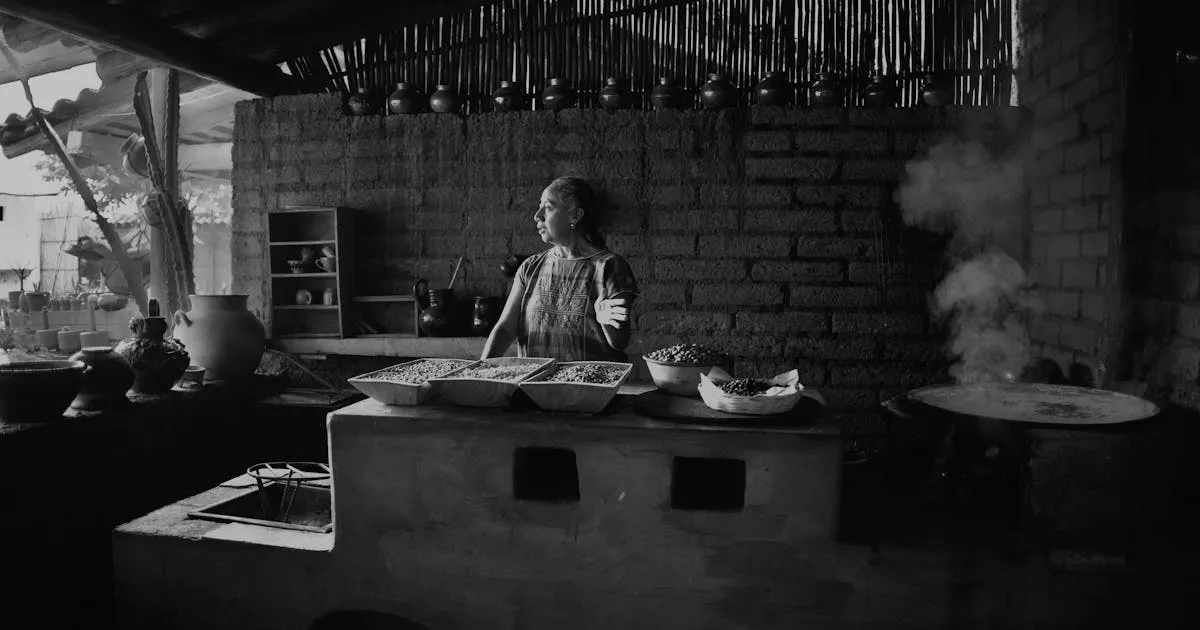
Oaxaca has earned its place as one of the world’s most exciting food destinations. UNESCO recognized Oaxacan cuisine as part of Mexico’s Intangible Cultural Heritage, and travelers who visit quickly understand why. The flavors here are ancient, complex, and deeply tied to the land. From the seven varieties of mole to the smoky crunch of chapulines and the slow-roasted mezcal spirits, every dish tells a story that stretches back thousands of years.
But eating your way through Oaxaca’s markets and restaurants is only half the experience. The real magic happens when you step behind the comal, grind cacao by hand, toast chiles over open flame, and learn the techniques that Oaxacan families have passed down for generations. A cooking class or food tour in Oaxaca is not just a fun activity — it is a doorway into the culture itself.
This guide covers the best cooking classes, food tours, and culinary experiences available in Oaxaca City and the surrounding valleys, with honest pricing, booking advice, and tips to help you choose the right experience for your interests and budget.
Why Take a Cooking Class in Oaxaca?
Oaxacan cuisine is arguably the most complex regional food tradition in all of Mexico. A hands-on cooking class gives you something a restaurant meal cannot: understanding. When you learn to make mole negro from scratch — toasting and grinding more than 30 ingredients, watching the paste transform over hours of stirring — you gain a deep appreciation for why this dish is reserved for the most important celebrations.
Beyond the cultural value, the skills translate to your home kitchen. Many schools provide recipe cards so you can recreate the dishes with ingredients available in the United States, Canada, or Europe.
Top Cooking Schools in Oaxaca City
Casa de los Sabores
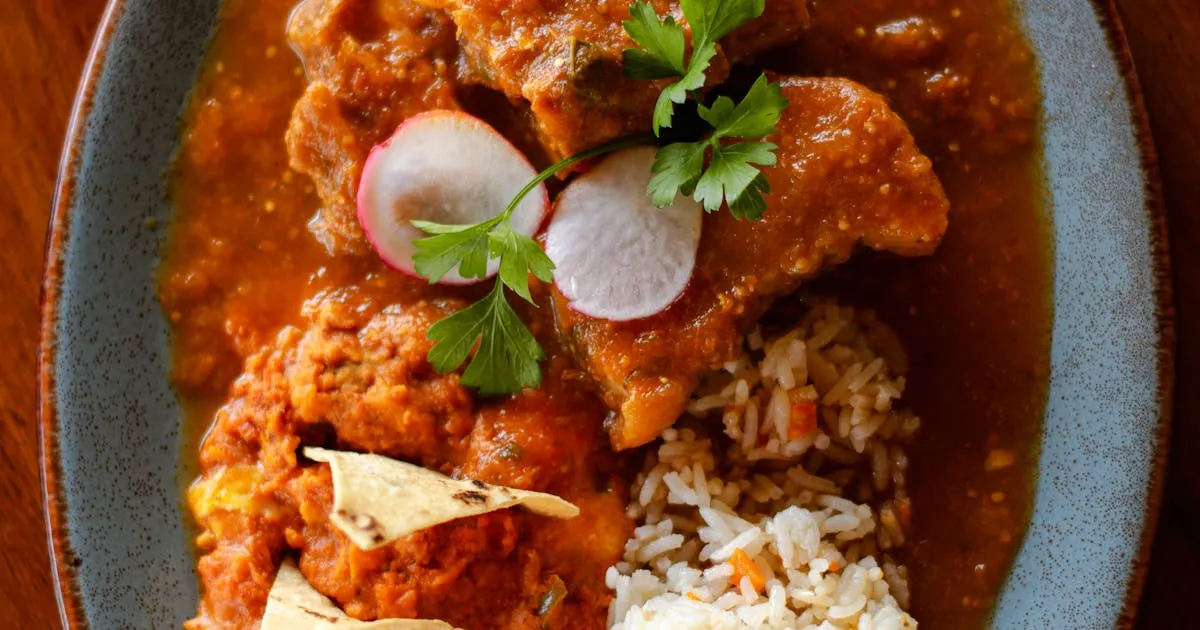
Run by chef Pilar Cabrera, Casa de los Sabores is one of Oaxaca’s most established cooking schools and has been welcoming international guests for over two decades. Classes take place in a beautiful colonial kitchen in the historic center, and each session begins with a guided visit to the 20 de Noviembre market to select fresh ingredients.
A typical class runs five to six hours and covers three to four dishes, which might include mole coloradito, chiles rellenos, and a seasonal dessert. Pilar is known for her patience with beginners and her encyclopedic knowledge of Oaxacan food history.
Price: Around 2,200 MXN (approximately 130 USD) per person, including the market tour and a full meal with beverages. Classes run Tuesday through Saturday, and advance booking is recommended, especially during the high season from November through March.
La Casa de Tierra
Located in the Santa Lucia del Camino neighborhood, about a 10-minute taxi ride from the city center, La Casa de Tierra offers a more intimate experience. Classes are limited to eight participants and take place in an outdoor kitchen surrounded by herb gardens and fruit trees.
What sets this school apart is its emphasis on pre-Hispanic techniques. You will grind corn on a metate, toast ingredients over a wood fire, and use clay pots instead of metal cookware. The instructors are local women who learned to cook from their grandmothers, and their stories about family traditions and village life add a personal dimension that larger schools sometimes lack.
Price: Classes start at around 1,800 MXN (approximately 105 USD) per person for a half-day session. Full-day workshops that include tortilla-making, mole preparation, and a mezcal tasting run around 3,000 MXN (approximately 175 USD).
Seasons of My Heart
Founded by chef Susana Trilling, an American expat who has lived in Oaxaca for over 30 years, Seasons of My Heart operates from a ranch in the Etla Valley, about 30 minutes north of Oaxaca City. The setting is stunning — a working organic farm with views of the surrounding mountains.
Classes here tend to attract serious food enthusiasts and often sell out months in advance. A typical day begins with a visit to the Etla market (held on Wednesdays), followed by a full morning of cooking and an afternoon feast paired with mezcal. Susana is also the author of several cookbooks, and her classes frequently explore the cultural context behind each dish.
Price: Full-day classes cost approximately 3,500 MXN (approximately 205 USD) per person, including round-trip transportation from Oaxaca City, the market visit, all ingredients, recipes, and the meal. Classes run primarily on Wednesdays to coincide with the Etla market day.
Alma de Mi Tierra
A newer addition to the Oaxaca cooking school scene, Alma de Mi Tierra focuses on contemporary interpretations of traditional recipes. The chef-instructor trained in Mexico City before returning to Oaxaca, and the classes blend classic techniques with modern presentation.
This is a great option if you want to learn dishes beyond the standard mole and tlayuda repertoire. Past menus have included Oaxacan-style ceviche, stuffed squash blossoms with goat cheese, and chocolate tamales with mango sauce.
Price: Around 2,000 MXN (approximately 115 USD) per person for a four-hour class including the meal and a cocktail.
Mole Workshops: A Deep Dive
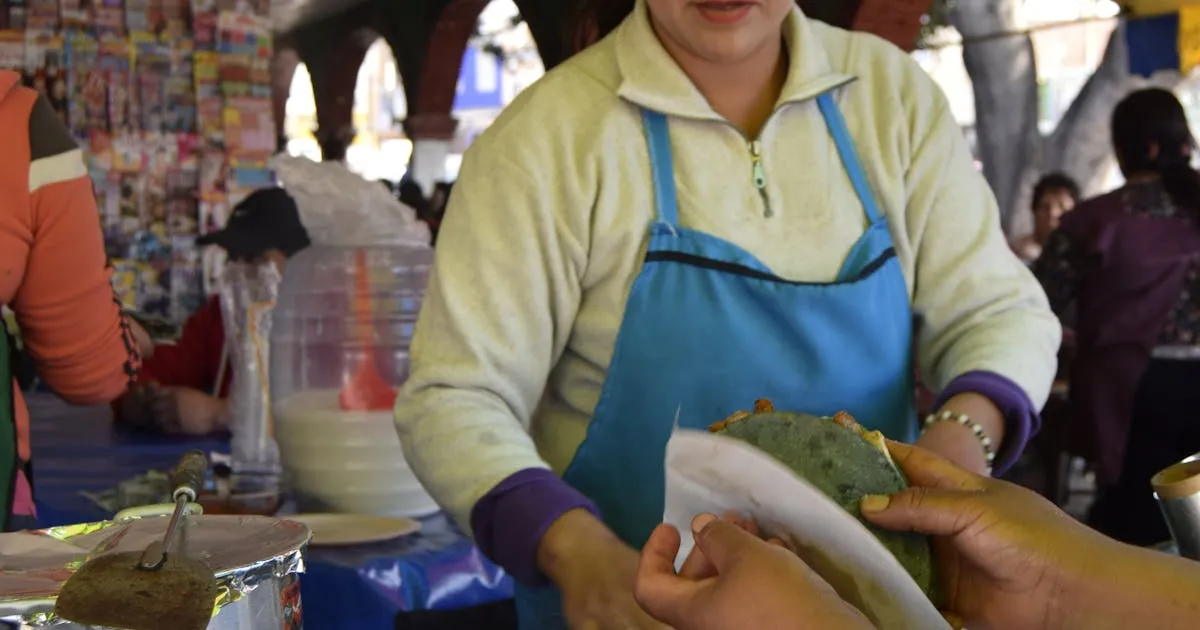
If there is one dish that defines Oaxacan cuisine, it is mole. The state is famous for its seven classic moles — negro, rojo, coloradito, amarillo, chichilo, manchamanteles, and verde — each with a distinct personality shaped by different combinations of chiles, spices, chocolate, nuts, and fruits.
Making mole from scratch is a labor-intensive process that can take an entire day. Several cooking schools offer dedicated mole workshops that go far deeper than a standard class.
What a Mole Workshop Involves
A dedicated mole workshop typically runs six to eight hours and focuses on one or two varieties. You will start by learning to identify and toast different dried chiles — ancho, mulato, pasilla, chilhuacle negro, and others — each of which contributes a unique flavor and color to the final dish.
Next comes the grinding. In traditional households, ingredients are ground on a stone metate, which produces a smoother, more nuanced paste than a blender. Most workshops let you try both methods so you can feel the difference.
The cooking stage requires patience. Mole must be stirred constantly over low heat for one to three hours, and the cook must develop an intuition for when the sauce is ready — thickened to the right consistency, with a glossy sheen and a deep, complex aroma that fills the entire kitchen.
Prices for dedicated mole workshops range from 2,500 to 4,000 MXN (approximately 145 to 235 USD) per person, depending on the school and the number of moles covered.
Where to Book
Pilar Cabrera’s Casa de los Sabores offers a dedicated mole negro workshop, and Seasons of My Heart occasionally runs a two-mole comparison class. You can also arrange private mole-focused sessions through most cooking schools with at least two weeks’ advance notice.
Market-to-Table Experiences
One of the most rewarding culinary experiences in Oaxaca is the market-to-table format, where you begin by shopping for ingredients in one of the city’s legendary markets and then cook a meal using what you have selected.
Mercado de Abastos
The Mercado de Abastos is Oaxaca’s largest market, a sprawling labyrinth of stalls covering several city blocks. This is where locals do their daily shopping, and the sheer volume of produce, meats, chiles, herbs, and prepared foods can be overwhelming for first-time visitors.
Several cooking schools begin their classes here, guiding you through the aisles and teaching you how to select ripe fruit, negotiate prices, and identify regional ingredients you have never seen before — like hierba santa leaves, pitaya cactus fruit, or the tiny dried shrimp used in certain moles.
Mercado 20 de Noviembre
More tourist-friendly but equally fascinating, the 20 de Noviembre market is famous for its “Pasillo de Humo” (Smoke Alley), where vendors grill tasajo (thin-cut beef), cecina (pork), and chorizo over charcoal. The aromas alone are worth the visit.
Market-to-table classes that begin here typically cost between 1,500 and 2,500 MXN (approximately 90 to 145 USD) per person and run three to five hours.
Benito Juarez Market
Situated right next to the 20 de Noviembre market, the Benito Juarez market is the place to find dried chiles, chocolate, mole paste, mezcal, cheese, and chapulines. A knowledgeable guide can turn a walk through these stalls into a masterclass in Oaxacan ingredients.
Food Walking Tours
If you prefer to eat rather than cook, Oaxaca’s food walking tours are an excellent alternative. These guided experiences take you through the city’s markets, street food stalls, and hidden restaurants, offering tastes of dishes you might never find on your own.
What to Expect on a Food Tour
A typical food walking tour in Oaxaca lasts three to four hours and includes eight to twelve tastings. You will sample classics like tlayudas, memelas, empanadas de amarillo, tamales, fresh-pressed jugo de cana (sugarcane juice), and, of course, mezcal. For a primer on what to expect, see our Oaxaca street food guide.
The best tours are led by local guides who can explain the history and cultural significance of each dish, point out the difference between a market tlayuda and a restaurant version, and introduce you to the vendors and cooks who have been perfecting their craft for decades.
Prices for food walking tours generally range from 1,200 to 2,200 MXN (approximately 70 to 130 USD) per person, depending on the tour length, the number of stops, and whether alcohol tastings are included.
Recommended Tour Operators
Look for operators with small group sizes (ideally eight people or fewer), local guides, and itineraries that go beyond the obvious tourist spots. Reading recent reviews on platforms like TripAdvisor, Google Reviews, or GetYourGuide can help you identify tours that are currently delivering great experiences.
Mezcal Pairing Experiences
No culinary journey through Oaxaca is complete without mezcal. This agave-based spirit has been produced in the valleys surrounding Oaxaca for centuries, and the state is responsible for roughly 90 percent of Mexico’s mezcal production.
Mezcal Tasting Basics
A good mezcal tasting session will introduce you to the different agave varieties (espadin, tobala, madrecuishe, arroqueno, and others), production methods (ancestral, artisanal, and industrial), and the concept of terroir in mezcal — how soil, altitude, and climate affect the flavor of the spirit.
Several mezcalerias in the city center offer guided tastings with flights of four to six mezcals, often accompanied by orange slices, sal de gusano (worm salt), and small bites. Prices for a guided tasting start at around 400 MXN (approximately 23 USD) per person.
Mezcal and Food Pairing Dinners
For a more immersive experience, some restaurants and cooking schools offer mezcal pairing dinners where each course is matched with a specific mezcal. These multi-course meals typically feature five to seven dishes, each paired with a different spirit, and the mezcalero (mezcal expert) explains why each pairing works.
Prices for pairing dinners range from 2,000 to 4,500 MXN (approximately 115 to 260 USD) per person, depending on the restaurant, the quality of the mezcals, and the number of courses.
Visiting a Mezcal Palenque
To see mezcal production firsthand, you can visit a palenque (distillery) in the surrounding valleys. The town of Santiago Matatlan, about 50 kilometers (31 miles) southeast of Oaxaca City, is known as the “World Capital of Mezcal” and is home to dozens of small family-run palenques. You can combine a palenque visit with other stops on a day trip from Oaxaca.
A visit typically includes a tour of the production process — from roasting agave hearts in underground pits to crushing them with a stone tahona pulled by a horse, fermenting the juice in wooden vats, and distilling in copper or clay pots. Most visits conclude with a tasting of three to five mezcals.
Tours to Santiago Matatlan can be arranged through hotels, travel agencies, or directly with the palenques. Expect to pay 800 to 1,500 MXN (approximately 45 to 90 USD) per person for a half-day tour including transportation.
Chocolate and Cacao Workshops
Oaxaca has a long and proud relationship with chocolate, dating back to the pre-Hispanic era when cacao beans were used as currency and cacao beverages were reserved for royalty and religious ceremonies.
Today, Oaxacan hot chocolate remains one of the city’s most beloved drinks. Made from roasted cacao, sugar, cinnamon, and sometimes almonds, it is ground to order at molineros (grinding shops) throughout the city and frothed with a traditional wooden molinillo.
Several workshops teach you to make chocolate from raw cacao beans — roasting, peeling, grinding on a metate, and blending with spices. These sessions typically last two to three hours and cost between 800 and 1,500 MXN (approximately 45 to 90 USD) per person.
The Mayordomo chocolate shops on Mina Street offer shorter demonstrations, and you can customize your own chocolate blend to take home.
Booking Tips and Practical Advice
When to Book
Oaxaca’s culinary tourism scene has grown significantly in recent years, and the most popular cooking schools can fill up weeks or even months in advance, particularly during the high season (November through March) and around major festivals like Day of the Dead and Guelaguetza.
For the best selection, book at least two to three weeks ahead of your trip. During peak periods, four to six weeks is safer.
Group vs. Private Classes
Most cooking schools offer both group and private options. Group classes are more affordable and can be a great way to meet fellow travelers. Private classes cost more (typically 30 to 50 percent above the group rate) but allow you to customize the menu, accommodate dietary restrictions, and learn at your own pace.
Dietary Restrictions
Oaxacan cuisine relies heavily on animal fats, meat broths, and cheese, but most cooking schools can accommodate vegetarian, vegan, and gluten-free diets with advance notice. Be sure to mention any dietary needs when booking.
What to Wear
Cooking classes in Oaxaca often involve open-fire cooking and working in warm kitchens. Wear comfortable, breathable clothing and closed-toe shoes. Aprons are usually provided.
Language
Most established cooking schools offer classes in English or provide bilingual instructors. If you speak Spanish, you may have access to smaller, less touristy classes that operate primarily in Spanish — often at lower prices.
Tipping
Tipping is customary in Oaxaca. For cooking classes and food tours, a tip of 10 to 15 percent is appreciated. If your guide or instructor went above and beyond, 15 to 20 percent is a generous gesture. Tips can be given in pesos or dollars.
How to Choose the Right Experience
- For cultural depth: Market-to-table classes at Casa de los Sabores or La Casa de Tierra, where pre-Hispanic techniques take center stage. Pair with a visit to the traditional food guide to know what dishes to prioritize.
- For serious food enthusiasts: Seasons of My Heart, with its farm setting and comprehensive instruction.
- For a social, easy experience: A food walking tour — great introduction without the time commitment of a full class.
- For mezcal lovers: Combine a palenque visit with a mezcal pairing dinner.
- For families: Chocolate workshops or tortilla-making classes work well for children ages 8 and up.
Whichever you choose, you will leave Oaxaca with recipes, techniques, and stories that connect you to one of the richest culinary traditions on the planet. If you are still planning your trip, our Oaxaca itinerary guide will help you fit a cooking class into the perfect schedule.